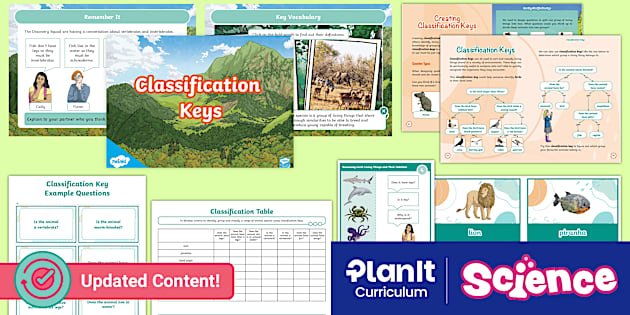
Classification Keys Year 4 are an important part of Year 4 science because they help children learn how to identify, group, and name living things in a logical way. In simple terms, a classification key is a tool that asks questions about an object or living thing and guides the learner step by step to the correct answer. These questions are usually based on clear, visible features such as size, shape, colour, number of legs, or whether something has wings or flowers. By answering each question, pupils slowly narrow down the choices until they reach the correct group or name.
In the Year 4 science curriculum, Classification Keys Year 4 are used to support children’s understanding of living things and their habitats. This topic encourages careful observation and helps pupils recognise similarities and differences between animals and plants. Instead of guessing, children learn to look closely and think scientifically. Classification Keys Year 4 also introduce early scientific vocabulary in a fun and accessible way. By learning how classification keys work, Year 4 students build a strong foundation for future biology topics, such as adaptation, ecosystems, and more detailed classification in higher year groups.
Understanding How Classification Keys Year 4 Work
Classification Keys Year 4 usually work by asking a series of simple questions that have only two possible answers, such as “yes” or “no.” These are known as branching or dichotomous keys. Each answer leads the learner to the next question, forming a path or branch. Step by step, the key becomes more specific until the living thing can be correctly identified. This clear structure helps Year 4 pupils stay focused and avoid confusion, even when dealing with similar-looking animals or plants.
For children, understanding how Classification Keys Year 4 work also improves logical thinking. They learn that each question must be answered in the correct order and that skipping a step can lead to the wrong result. Teachers often use pictures, diagrams, and real-life objects to make this process easier. When pupils can see the features they are being asked about, the activity becomes more engaging and meaningful. Over time, children gain confidence and begin to enjoy using Classification Keys Year 4 as a kind of science puzzle that rewards careful thinking.
Types of Classification Keys Year 4 Students
There are several types of Classification Keys Year 4 that are suitable for Year 4 learners, each designed to match different learning styles. Branching or dichotomous keys are the most common and are often shown as a flowchart. These keys are excellent for developing reasoning skills because they guide pupils through a clear decision-making process. Each choice leads to another question, helping children understand how scientists organise information.
Picture-based Classification Keys Year 4 are especially helpful for younger learners or visual learners. These keys use images instead of long written questions, making them easier to understand and more engaging. Written keys, on the other hand, help develop reading comprehension and scientific vocabulary. In many classrooms, teachers also use digital or interactive Classification Keys Year 4 on tablets or whiteboards. These modern tools make learning more exciting and allow children to practise independently while receiving instant feedback.
Living Things Commonly Used in Year 4 Classification Keys
Classification Keys Year 4 often focus on familiar living things so children can easily observe their features. Animals are a popular starting point, especially vertebrates such as mammals, birds, fish, reptiles, and amphibians. Pupils learn to identify features like fur, feathers, scales, or the ability to lay eggs. These clear differences make classification keys easier to understand and more enjoyable to use.
Plants are another important area of study. Children may use Classification Keys Year 4 to decide whether a plant is flowering or non-flowering, or to compare leaf shapes and sizes. Mini-beasts, such as insects and spiders, are also commonly used because they are easy to find in school gardens and playgrounds. Using real-life examples helps children connect classroom learning to the world around them, making Classification Keys Year 4 feel relevant and useful.
How to Use a Classification Key Step by Step
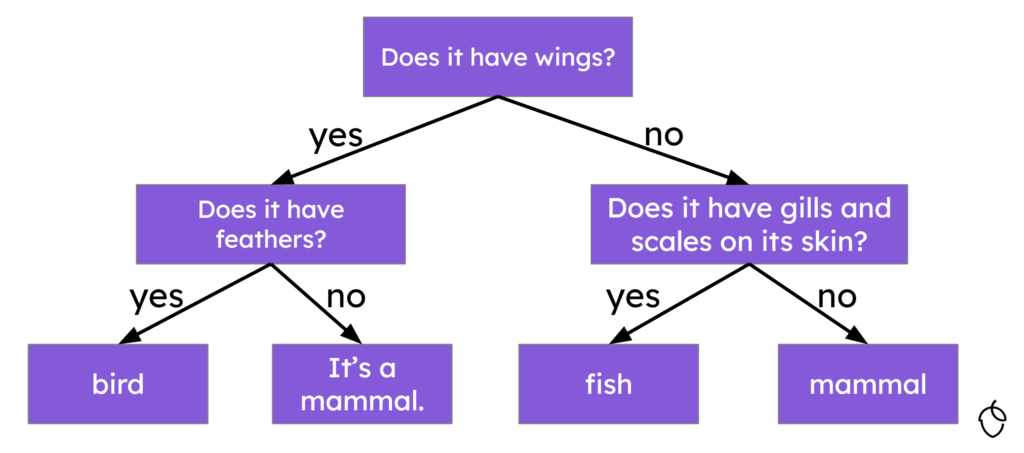
Using a classification key correctly requires careful observation and patience. The first step is to look closely at the living thing and identify its most obvious features. Pupils are encouraged to take their time and not rush to an answer. Each question in the key should be read carefully, and the correct choice should be followed to the next step.
As children move through the key, they learn that every answer matters. If a mistake is made early on, the final result may be incorrect. This teaches pupils the importance of accuracy in science. Teachers often remind students to double-check their observations and, if needed, go back and try again. Over time, pupils become more confident and accurate, developing skills that are useful not only in science but across many subjects.
How to Create a Classification Key (Year 4 Level)
Creating a classification key is a fun and creative activity for Year 4 students. The process usually begins by choosing a small group of living things, such as four or five animals or plants. Pupils then decide which features are the most obvious and easiest to observe. These features are turned into simple yes-or-no questions that form the basis of the key.
By making their own Classification Keys Year 4, children deepen their understanding of how they work. They learn to think like scientists by deciding which questions are most useful and how to organise information clearly. This activity also encourages teamwork and discussion, as pupils explain their choices and test each other’s keys. Creating a classification key helps reinforce learning and makes the topic more memorable.
Classroom Activities and Learning Ideas
There are many engaging classroom activities that can help reinforce understanding of classification keys in Year 4. Outdoor learning is especially effective, as pupils can classify plants or mini-beasts found in the school environment. Hands-on activities like card-sorting games and matching exercises also make learning enjoyable and interactive.
Teachers often use group work to encourage discussion and problem-solving. Working together allows pupils to share ideas and learn from one another. Worksheets, quizzes, and drawing activities can also support different learning styles. When lessons are varied and creative, children are more likely to stay engaged and develop a positive attitude towards science.
Common Mistakes Students Make with Classification Keys
One common mistake Year 4 students make is not observing features carefully enough. This can lead to incorrect answers early in the classification key. Another issue is skipping questions or assuming the answer without checking. These mistakes are a natural part of learning and provide valuable teaching moments.
Teachers and parents can help by encouraging children to slow down and look closely. Practising with simple examples and discussing mistakes openly helps pupils understand that science is about learning from errors. With guidance and practice, students quickly improve and become more confident in using classification keys correctly.
Conclusion
Classification keys are a vital part of Year 4 science, helping children develop observation, reasoning, and problem-solving skills. Through guided practice and engaging activities, pupils learn how scientists identify and group living things. This topic not only supports the science curriculum but also encourages curiosity and critical thinking.
By understanding and using classification keys, Year 4 students gain skills that will support their future learning in biology and beyond. Whether identifying animals, plants, or mini-beasts, classification keys turn learning into an enjoyable and meaningful experience.
Frequently Asked Questions (FAQs)
What is a classification key in Year 4 science?
A classification key is a tool that helps pupils identify living things by answering simple questions about their features.
Why do Year 4 students learn about classification keys?
They help develop observation skills, logical thinking, and an understanding of how living things are grouped.
Are classification keys difficult for children to understand?
No, when taught with clear examples and activities, they are easy and enjoyable to use.
How can parents help at home?
Parents can practise using simple classification keys with everyday objects, plants, or animals found outdoors.
What are easy examples of classification keys for Year 4?
Keys based on animals, plants, or mini-beasts with clear features such as wings, legs, or flowers are ideal.
You May Also Read: Filey High Tide Today