Geography is an essential part of the Year 2 curriculum, helping young learners develop a better understanding of the world around them. At this stage, students are introduced to basic geographical concepts such as maps, countries, local environments, and natural features. Learning geography in Year 2 not only enhances students’ knowledge of the world but also encourages curiosity, observation, and critical thinking skills. It lays the foundation for more advanced studies in later years.
In addition to academic benefits, Year 2 geography lessons promote social and emotional development. Students learn to appreciate the diversity of cultures, landscapes, and communities, which fosters empathy and a broader worldview. Interactive and hands-on activities such as map labeling, drawing, and field exploration make geography fun and memorable for young learners. Teachers and parents can create a stimulating environment that combines visual aids, games, and storytelling to engage students effectively.
Furthermore, geography in Year 2 integrates both physical and human aspects of the world. Students are introduced to rivers, mountains, forests, and other natural features, as well as towns, cities, and buildings. This dual focus helps children understand the relationship between humans and their environment, encouraging early environmental awareness. By combining observation, exploration, and interactive learning, Year 2 geography ensures students develop a solid understanding of the world around them while fostering curiosity and creativity.
Overall, Year 2 geography provides a rich platform for young learners to explore and engage with their surroundings. From learning about continents and oceans to examining local communities, students gain essential knowledge that supports both academic success and personal growth. This guide will explore key topics, teaching methods, skills development, and resources that make Year 2 geography both educational and enjoyable.
Key Topics in Year 2 Geography
In Year 2, geography introduces students to foundational topics that help them make sense of the world. Continents and oceans form the starting point, with children learning to identify the seven continents and five major oceans on a map or globe. Teachers often use colorful maps and interactive games to make this process engaging. Understanding where different continents are located also helps children develop a global perspective from a young age.
Another essential area is countries and capitals. Year 2 students are introduced to major countries and their capitals, often starting with familiar or nearby nations. Simple exercises, like labeling countries on a map or matching capitals, help students retain information while improving map skills. These lessons also teach children to appreciate cultural diversity and the concept of national boundaries.
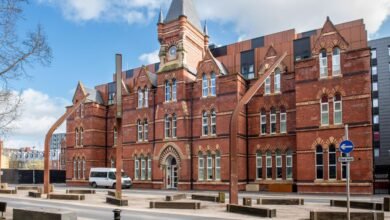
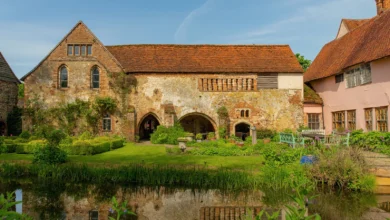
Local geography is equally important in Year 2. Students study their immediate environment, including streets, parks, landmarks, and community services. This helps children connect classroom learning with the real world. Exploring local geography through walks, photographs, or map exercises fosters observation skills and a deeper understanding of spatial relationships.
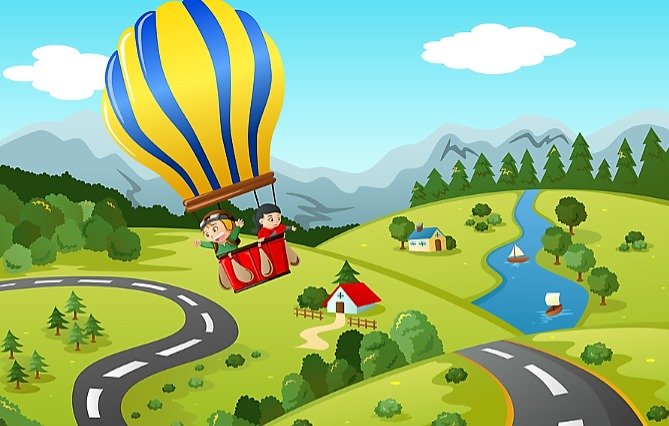
Additionally, students learn about physical and human features. Physical features include mountains, rivers, forests, and deserts, while human features cover towns, cities, roads, and buildings. Understanding the differences between natural and human-made elements allows students to recognize how humans interact with the environment. Weather and climate are also introduced, teaching students about seasons, temperature changes, rainfall, and basic climate patterns. These foundational topics equip children with a well-rounded understanding of geography and encourage curiosity about the world around them.
Teaching Methods and Activities for Year 2 Geography
Effective teaching of Year 2 geography involves combining traditional instruction with interactive, hands-on activities. Maps, globes, and visual aids are central tools for helping students understand the layout of the world. Teachers can use colorful maps, 3D models, and globes to make abstract concepts like continents and oceans more tangible. Visual learning helps students remember information more effectively and engages multiple senses.
Interactive activities are another key method. Quizzes, puzzles, and games encourage students to participate actively in lessons, reinforcing knowledge in a fun way. For example, students may play a “find the country” game or match continents to their oceans. Such activities not only enhance learning but also build problem-solving skills and teamwork when done in groups.
Field trips and outdoor exploration are highly effective in connecting classroom lessons with real-world geography. Visits to parks, rivers, or local landmarks provide hands-on experience that solidifies understanding. Students can observe physical and human features firsthand, take notes, or draw sketches to integrate practical learning with classroom theory.
Creative exercises also play a significant role in Year 2 geography. Activities such as drawing maps, labeling countries, creating models of landscapes, or presenting weather charts allow students to express knowledge visually and creatively. Storytelling and fun facts about different countries or natural phenomena make lessons memorable, fostering curiosity and encouraging independent learning. By incorporating a variety of teaching methods, educators can ensure that Year 2 geography lessons are engaging, informative, and effective.
Assessment and Skills Development in Year 2 Geography
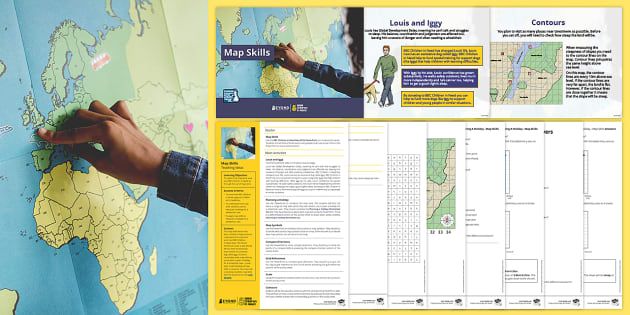
Assessment in Year 2 geography focuses on both knowledge acquisition and skill development. Simple exercises like map reading and labeling activities help teachers evaluate students’ understanding of locations, continents, and physical features. These tasks encourage accuracy, observation, and spatial awareness, which are essential early geography skills.
Students also develop a growing geographical vocabulary, learning terms such as “mountain,” “river,” “continent,” and “capital city.” Understanding these key terms allows children to communicate ideas clearly and confidently, laying the groundwork for more advanced studies in future years.
Observation and analytical skills are cultivated through tasks like comparing two local areas, identifying physical versus human features, or noting weather patterns. These activities encourage critical thinking and enable students to make connections between the environment and human activity. Small projects, such as creating a weather chart or mapping a classroom area, provide opportunities for hands-on learning and assessment.
Assessment methods are kept simple and engaging for Year 2 learners. Worksheets, interactive quizzes, small projects, and class participation all contribute to evaluating progress. Teachers can monitor understanding while reinforcing skills in a low-pressure, supportive environment. Through these assessments, students gain confidence, practice problem-solving, and develop a deeper appreciation for the world around them.
Resources for Year 2 Geography
A variety of resources can support Year 2 geography learning. Textbooks and workbooks aligned with the curriculum provide structured lessons, activities, and exercises that reinforce classroom learning. These resources often include colorful illustrations, maps, and simple explanations suitable for young learners.
Online interactive tools and educational apps offer dynamic ways to practice geography skills. Games that teach continents, countries, and capitals, or interactive maps for identifying physical features, make learning engaging and accessible from home. These tools allow children to explore geography at their own pace while reinforcing classroom lessons.
Printable worksheets and activity sheets are valuable for both teachers and parents. They provide opportunities for additional practice, revision, and hands-on exercises. Visual learners, in particular, benefit from coloring maps, labeling diagrams, and creating mini-projects.
Videos, animations, and educational shows help bring geography concepts to life. By observing real-world examples of landscapes, cities, and natural phenomena, children can connect theoretical knowledge to practical experiences. Supplementing lessons with these diverse resources ensures comprehensive learning, making geography an exciting subject for Year 2 students.
Conclusion
Year 2 geography is a foundational subject that introduces young learners to the world around them. By exploring continents, countries, local environments, physical and human features, and weather patterns, students develop essential knowledge and skills. Engaging teaching methods, including maps, interactive activities, field trips, and creative exercises, make learning both fun and effective.
Assessment in Year 2 geography focuses on knowledge retention, observation, analytical thinking, and skill development. Resources such as textbooks, online tools, worksheets, and videos enhance learning while keeping students motivated. By fostering curiosity and understanding from an early age, Year 2 geography helps children develop a lifelong interest in exploring the world. Parents and teachers can work together to ensure lessons are enjoyable, interactive, and educational, creating confident, knowledgeable, and globally aware young learners.
Frequently Asked Questions (FAQs)
What topics are covered in Year 2 geography?
Year 2 geography covers continents, oceans, countries, capitals, local geography, physical and human features, and weather patterns.
How can I make geography fun for Year 2 students?
Use interactive activities, quizzes, games, storytelling, field trips, and creative exercises like drawing maps or making models.
Are there online resources suitable for Year 2 geography?
Yes, educational apps, interactive maps, and online quizzes provide engaging and age-appropriate content for young learners.
How can parents support Year 2 geography learning at home?
Parents can encourage map reading, discuss weather and local features, use online resources, and supervise fun geography activities or projects.
What skills should a Year 2 student gain from geography lessons?
Students develop map-reading skills, observation, analytical thinking, geographical vocabulary, and awareness of the environment.
How are Year 2 geography lessons assessed?
Assessment includes worksheets, quizzes, small projects, class participation, and observation of practical tasks.
You May Also Read: Adult Maths Tutor