Alpaca or Llama are two of South America’s most well-known domesticated camelids, often admired for their gentle nature, unique appearance, and versatile wool. While they may seem similar at first glance, these animals have distinct differences in size, behavior, and uses that are important to understand before deciding which species is right for farming, companionship, or fiber production. Farmers, hobbyists, and animal enthusiasts alike benefit from learning the differences to ensure they make informed decisions about care, maintenance, and investment.
Alpaca or Llama both originate from the Andean regions of Peru, Bolivia, Chile, and Ecuador, where they have been bred for thousands of years for specific purposes. Alpacas were primarily bred for their fine, soft wool, while llamas were often used as pack animals and guards for livestock. Today, both species are popular worldwide, valued for their fibers, gentle temperaments, and adaptability. However, their differing characteristics make them suited to different purposes, whether on a small hobby farm, a commercial fiber operation, or a mixed-species farm environment.
This article will provide a comprehensive guide to distinguishing alpacas from llamas, including physical differences, behavioral traits, practical uses, and key considerations when choosing which animal to raise. By understanding these differences, potential owners and farmers can ensure they meet the animals’ specific needs, enhance productivity, and create a harmonious living environment. Whether you are drawn to their soft fleece, social nature, or utility, knowing the distinctions between Alpaca or Llama is essential for responsible and successful ownership.
Physical Differences
Size and Body Structure
One of the most obvious differences between Alpaca or Llama is their size. Llamas are generally larger, standing between 5.5 to 6 feet tall at the head and weighing 280 to 450 pounds. Their larger frame, long neck, and broader shoulders make them suitable for carrying loads, making them traditional pack animals. In contrast, alpacas are smaller, averaging 4.5 to 5 feet in height and weighing 120 to 200 pounds. Their more compact body is optimized for fiber production rather than carrying weight.
Body proportions also differ between the two species. Llamas have longer legs and a longer face, giving them a more elongated, noble appearance. Alpacas have shorter legs and a more rounded, compact frame, which contributes to their gentle and approachable demeanor. While llamas can appear more imposing due to their height and stature, alpacas give off a softer, cuddlier impression, which often makes them more appealing for small-scale farms or families seeking friendly companion animals.
These physical distinctions also influence care and management. Larger llamas require more space, stronger fencing, and larger feed quantities, while alpacas are easier to maintain in smaller pastures. Understanding these differences is essential for planning appropriate living conditions and ensuring each species thrives in its environment.
Facial Features and Fur
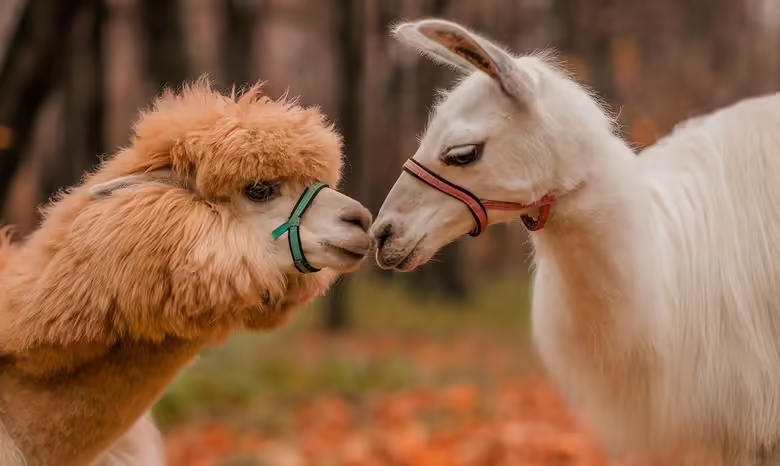
Alpaca or Llama also differ noticeably in their facial features and fleece. Llamas have longer faces with prominent muzzles and banana-shaped ears that are longer and more curved. Alpacas, on the other hand, have shorter, blunter faces and smaller, spear-shaped ears that contribute to their sweet, alert appearance. Their eyes also tend to differ in size and expression, with alpacas often appearing larger and more curious, while llamas maintain a calm, watchful demeanor.
Fur is another key distinguishing feature. Alpaca fiber is known for being fine, soft, and luxurious, often compared to cashmere. This makes alpacas the preferred choice for high-quality wool production. Llamas have coarser wool, with long outer guard hairs and a softer undercoat. While llamas’ fleece is still useful for rugs, ropes, and clothing, it is not as soft or valuable as alpaca wool. The differences in fur also dictate grooming needs and shearing schedules, with alpacas requiring annual shearing to maintain fiber quality.
Color Variations
Alpaca or Llama also display different color patterns. Alpacas come in over 22 natural shades, ranging from white, fawn, and beige to brown, gray, and black. These subtle variations make alpaca fiber highly sought after for natural-colored textiles. Llamas have a more limited range of colors, often seen in shades of brown, black, white, or gray, sometimes in combinations or patches. Choosing between the two for farming or breeding often depends on desired fiber color and aesthetic appeal.
Behavior and Temperament
Social Behavior
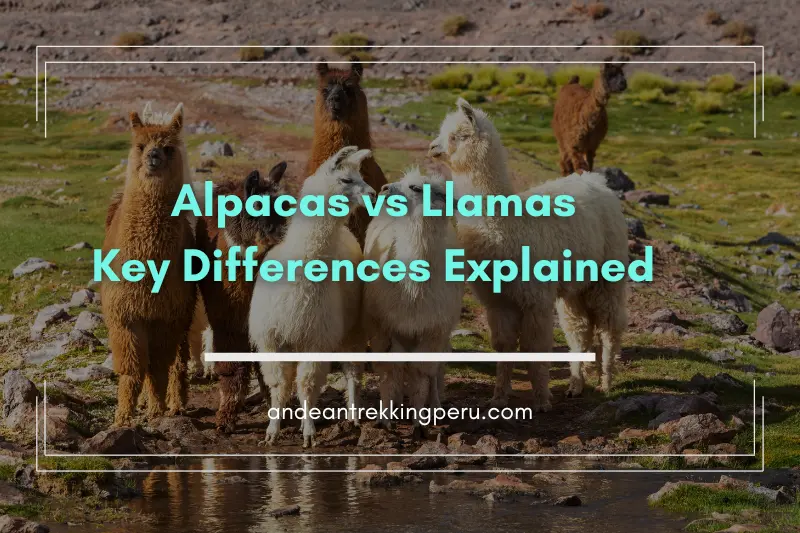
Both Alpaca or Llama are herd animals, thriving in the company of their own species. Alpacas are more timid and shy, preferring calm environments with familiar herd members. They are gentle and less likely to challenge each other, making them ideal for small-scale or indoor farming setups. Llamas are more independent and confident, often taking on leadership roles within a herd. Their assertive behavior allows them to act as protectors, guarding alpacas, sheep, or other smaller livestock from potential predators.
Temperament
Alpacas generally have a docile and gentle temperament, making them easy to handle, particularly for first-time owners or children. Llamas are more expressive and can display stubbornness or assertiveness if they feel threatened or unchallenged. While both species can be trained and socialized, llamas may require more guidance and patience to manage, especially in mixed-species herds. Understanding these behavioral traits helps owners select the species that matches their handling experience and interaction goals.
Communication
Both Alpaca or Llama communicate through vocalizations and body language, but the methods differ. Alpacas make soft humming sounds to express curiosity, contentment, or concern, while llamas produce louder alarm calls to alert the herd of danger. Tail position, ear orientation, and posture also indicate mood or intention. Recognizing these cues ensures safe handling and effective herd management, particularly when introducing new animals or moving them to different pastures.
Uses and Practical Considerations
Wool and Fiber Production
Alpacas are prized for their fine, luxurious wool, often used in high-end garments and textiles. Their fleece is soft, lightweight, and hypoallergenic, making it highly desirable in commercial markets. Llamas produce coarser fiber, which is suitable for rugs, ropes, and outerwear, but lacks the softness and commercial value of alpaca wool. For farmers prioritizing fiber production, alpacas are typically the preferred choice.
Farming and Guarding
Llamas excel as guard animals due to their size, confidence, and protective instincts. They are often placed in fields with alpacas, sheep, or goats to deter predators such as foxes and coyotes. Alpacas are not suited for guarding duties, but they are ideal for small-scale fiber farming or as companion animals. Considering the purpose of keeping the animals is crucial when deciding between the two species.
Space and Feeding Requirements
Llamas require larger pastures and more feed than alpacas due to their size. They are more adaptable to rough terrain, while alpacas prefer softer grazing areas and smaller paddocks. Both species are herbivores, primarily consuming grasses, hay, and supplemental feed, but careful attention to diet, pasture rotation, and water access is essential for healthy development.
Choosing Between an Alpaca or Llama
Purpose of Keeping
When deciding which species to keep, the intended purpose is a major factor. For fiber production, alpacas are ideal. For guarding, llamas are better suited. Families seeking pets or companion animals may prefer alpacas due to their gentle nature, while farms needing versatile livestock may benefit from llamas.
Lifestyle Compatibility
Consider the time, resources, and space available. Alpacas require less space and can thrive in smaller herds, while llamas need more room, social companions, and occasionally training for handling or guarding duties. Climate and terrain also influence the decision, as alpacas prefer temperate climates with good pasture, while llamas are more tolerant of harsher conditions.
Health and Longevity
Both Alpaca or Llama live approximately 15 to 20 years with proper care. Regular veterinary checks, vaccinations, parasite control, and hoof and dental care are essential. Alpacas may require more frequent shearing to maintain fiber quality, while llamas benefit from monitoring due to their larger size and grazing needs.
Conclusion
Choosing between an alpaca or llama depends on your purpose, environment, and personal preferences. Alpacas excel in fiber production and make gentle, easy-to-handle companions, while llamas provide versatility as pack animals, guards, and social herd leaders. Understanding their physical, behavioral, and practical differences ensures responsible care, effective management, and a rewarding experience with these fascinating South American animals.
Frequently Asked Questions (FAQs)
What is the main difference between an alpaca and a llama?
Alpacas are smaller, bred for fiber, and more docile, while llamas are larger, often used as pack animals or guards.
Which animal produces softer wool, alpaca or llama?
Alpaca wool is finer and softer, making it more valuable for textiles.
Are alpacas or llamas easier to handle?
Alpacas are generally easier to handle due to their gentle and shy temperament.
Can Alpaca or Llama live together?
Yes, llamas can serve as protective companions for alpacas in mixed herds.
How much space do Alpaca or Llama need?
Llamas need larger pastures due to their size; alpacas require smaller, well-maintained paddocks.
Are llamas good guard animals?
Yes, llamas are commonly used to protect livestock from predators.
What do Alpaca or Llama eat?
They are herbivores, feeding on grass, hay, and supplemental grains.
How long do Alpaca or Llama typically live?
With proper care, both species live between 15 and 20 years.
You May Also Read: Chequers Court Huntingdon