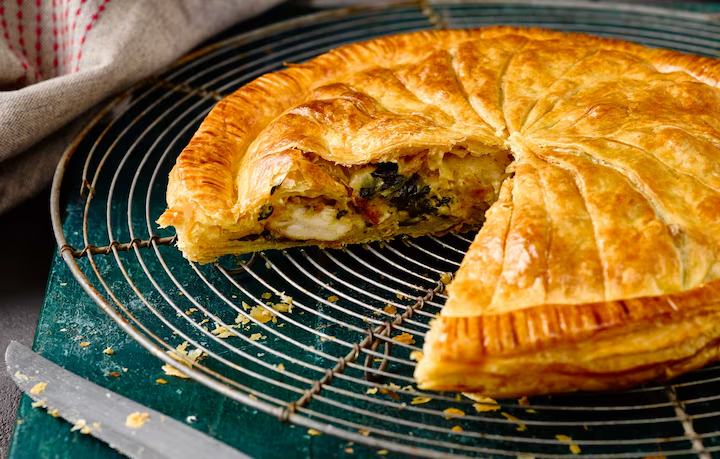
Chicken Pithivier is one of those French dishes that looks like it belongs in a gourmet restaurant but is surprisingly achievable at home. At first glance, this golden, round puff pastry encases a deliciously savoury chicken filling, often accompanied by vegetables, cream, and aromatic herbs. Its flaky crust and rich interior make it an ideal choice for dinner parties, special occasions, or even a comforting family meal. The dish not only offers incredible taste but also an impressive visual appeal thanks to the decorative patterns traditionally scored on the pastry.
Originating from central France, the Pithivier is named after the town of Pithiviers in the Loiret region. Historically, it was used as a celebratory dish, often filled with meats, fruits, or sweet fillings depending on the occasion. The Chicken Pithivier is a modern favourite, combining the classic French technique of puff pastry with a hearty, creamy chicken filling. The dish represents a perfect balance of tradition, elegance, and practicality for home cooks who wish to explore authentic French cuisine.
In this article, readers will learn everything needed to prepare Chicken Pithivier successfully. From selecting ingredients and preparing the chicken to assembling, baking, and serving, this guide covers every step of the process. In addition, it provides tips to ensure a flaky pastry, flavor-packed filling, and flawless presentation, making it easy for even novice cooks to recreate this French classic at home.
What is Chicken Pithivier?
A Pithivier is a type of French pastry traditionally made with puff pastry and filled with a savoury or sweet mixture. What sets it apart from other pastries is its unique round shape and decorative top pattern, often scored in a spiral or sunburst design, giving it a stunning appearance once baked. The Chicken Pithivier specifically features a rich, creamy chicken filling that pairs beautifully with vegetables and herbs, enclosed within a golden, flaky crust that is both crisp and tender.
Key ingredients include puff pastry, chicken, onions or leeks, mushrooms, cream, butter, and a selection of herbs such as thyme or tarragon. Some recipes also incorporate a touch of white wine or mustard to enhance the flavor profile. The filling is prepared first, then encased in pastry, creating a dish that is both hearty and refined. Unlike simpler chicken pies, the Pithivier emphasizes a balanced presentation and precise technique, making it visually impressive as well as delicious.
Regional variations exist, with some versions featuring additional ingredients like spinach, cheese, or seasonal vegetables. The versatility of the dish allows home cooks to adapt it according to personal taste, dietary preferences, or ingredient availability. While traditionally baked as a whole round pie, individual mini Pithiviers can also be made, perfect for parties or as appetizers.
Preparing Ingredients for Chicken Pithivier
The key to a perfect Chicken Pithivier starts with choosing the right ingredients. For the chicken, breast or thigh meat works well, with thighs offering more flavour and moisture, while breast provides a leaner filling. Ensure the chicken is fresh and properly trimmed, removing excess fat or skin to avoid a greasy filling. Dice or shred the chicken depending on the desired texture of the filling.
Vegetables add depth and texture to the dish. Popular choices include mushrooms, onions, leeks, and carrots, which should be finely chopped and lightly sautéed to release their flavors before being incorporated into the filling. Aromatic herbs such as thyme, tarragon, or parsley enhance the dish, providing classic French notes that complement the chicken. A touch of cream or a light béchamel sauce can bind the filling, keeping it moist without making it runny.
Puff pastry selection is another crucial step. While homemade puff pastry offers the best flakiness and texture, high-quality store-bought pastry can save time and still yield excellent results. Thaw the pastry carefully if using frozen sheets, and handle it lightly to prevent it from warming too quickly. Egg wash, applied before baking, helps achieve a golden, glossy crust, while careful scoring adds the final decorative touch.
Seasoning should be balanced, with salt, pepper, and any complementary spices adjusted according to taste. Avoid over-seasoning, as the filling will intensify in flavor during baking. Proper preparation ensures that when the Pithivier is baked, both the crust and filling achieve the perfect harmony of texture and taste.
Step-by-Step Cooking Process
Assembling a Chicken Pithivier requires a few precise steps to ensure a professional result. Begin by preparing the filling: cook the chicken thoroughly, sauté the vegetables, and combine them with cream, herbs, and seasonings. Allow the filling to cool slightly before adding it to the pastry; a hot filling can cause the pastry to become soggy or difficult to seal.
Next, roll out the puff pastry and cut it into two equal circles. Place one circle on a baking sheet lined with parchment paper, and spoon the chicken filling evenly over the center, leaving a border of at least 2–3 cm around the edges. Place the second pastry circle on top, and press the edges firmly to seal, using a fork or your fingers to create a tight seal. Egg wash the top and sides, then carefully score a decorative pattern using a sharp knife, being careful not to cut all the way through the pastry.
Baking requires careful attention to time and temperature. Preheat the oven to 200°C (400°F) and bake the Pithivier for 25–35 minutes, or until the pastry is golden and puffed. Rotate the tray halfway through baking for even color. Avoid opening the oven too early, as this can cause the pastry to deflate. Once baked, allow the Pithivier to rest for a few minutes before serving, letting the filling settle slightly for easier slicing.
Serving Suggestions and Pairings
Chicken Pithivier is best served warm, straight from the oven, to enjoy the contrast between the flaky pastry and creamy filling. It pairs beautifully with simple side dishes that complement its richness, such as a crisp green salad, roasted seasonal vegetables, or buttery mashed potatoes. For a touch of French elegance, consider serving it with lightly sautéed green beans or a medley of tender root vegetables.
Wine pairings can elevate the dish further. A light white wine, such as Chardonnay or Sauvignon Blanc, complements the creamy chicken filling without overpowering it. For red wine lovers, a light Pinot Noir or Beaujolais works surprisingly well. Non-alcoholic pairings, like sparkling water with a slice of lemon, also refresh the palate and balance the richness of the pastry.
Presentation is key if serving at a dinner party. Garnish the Pithivier with fresh herbs and carefully cut slices to display the beautifully layered filling. Mini individual Pithiviers offer a sophisticated option for entertaining guests, while maintaining the same classic taste and visual appeal as the full-sized version.
Tips, Tricks, and Common Mistakes
Achieving the perfect Chicken Pithivier requires attention to detail. One common mistake is a soggy bottom crust, usually caused by a hot or wet filling. Allow the filling to cool slightly and use a dry puff pastry to avoid this issue. Ensuring even thickness when rolling out the pastry helps prevent undercooked areas or uneven puffing.
Another tip is to avoid overfilling the Pithivier, which can make sealing difficult and cause leakage during baking. Scoring the pastry lightly and applying an egg wash ensures a golden, crisp finish, while preventing the pastry from cracking. Experimenting with creative variations, like adding spinach, cheese, or different herbs, allows cooks to personalise the dish without compromising its classic appeal.
Conclusion
Chicken Pithivier is a truly remarkable French classic that combines elegant presentation with comforting flavours. Its golden puff pastry, rich chicken filling, and decorative patterns make it both a feast for the eyes and the palate. With proper preparation, attention to technique, and a few helpful tips, home cooks can master this dish and impress guests or family alike. Whether served at a special dinner or enjoyed as a luxurious weekday meal, Chicken Pithivier is a versatile recipe that embodies the best of French culinary tradition.
Frequently Asked Questions (FAQs)
What is Chicken Pithivier?
A Chicken Pithivier is a French puff pastry dish filled with seasoned chicken, vegetables, and cream, often decorated with a scored pattern on top.
Can I use store-bought puff pastry?
Yes, high-quality store-bought puff pastry works well and saves preparation time.
How long does it take to make a Chicken Pithivier?
Preparation and baking typically take around 1 to 1.5 hours.
Can I prepare it in advance?
Yes, the filling can be prepared ahead, and the assembled Pithivier can be refrigerated before baking.
How do I prevent the pastry from getting soggy?
Allow the filling to cool before assembling and ensure the pastry is dry; do not overfill.
What can I serve with Chicken Pithivier?
It pairs well with salads, roasted vegetables, mashed potatoes, and light wines.
Are there vegetarian versions of Pithivier?
Yes, fillings like mushrooms, spinach, cheese, or seasonal vegetables can be used.
Can I freeze Chicken Pithivier before baking?
Yes, it can be frozen unbaked, then baked directly from the freezer with slight adjustments to cooking time.
You May Also Read: Whitby Low Tide