Ebberston Hall is an elegant historic estate located in the village of Ebberston in North Yorkshire, England. Situated just north‑west of the village within rolling agricultural terrain, this Grade I listed building exemplifies early 18th‑century classical architecture and stands as a testament to England’s rich country house tradition.
Originally designed as a summer villa or hunting retreat, Ebberston Hall was constructed in 1718 by renowned architect Colen Campbell for William Thompson, then MP for Scarborough and Master of the Mint. The estate’s location was chosen to provide picturesque views up the valley to the north and over the Vale of Pickering to the south, blending architectural grandeur with natural beauty.
While the hall itself remains a private residence, its architectural significance and historical gardens make it a noteworthy subject for those interested in British heritage sites. This article explores the estate’s fascinating history, distinctive architecture, landscaped grounds, and what makes Ebberston Hall a remarkable part of North Yorkshire’s cultural landscape.
History and Heritage of Ebberston Hall
Ebberston Hall was built in 1718 for William Thompson, whose family had acquired the Ebberston estate in the late 17th century. The estate passed through several prominent hands over the centuries, reflecting shifts in ownership common among English country houses. After Thompson’s tenure, the property passed by inheritance to Sir Charles Hotham‑Thompson, 8th Baronet, and later to Beaumont Hotham, 3rd Baron Hotham.
In the early 19th century, the estate was acquired by George Osbaldeston, a notable sporting figure of his era, before later passing to the Cayley family in 1845. Since 1941, the hall has remained in private ownership, and throughout its life it has evolved while retaining the essence of its original design.
Ebberston Hall’s historical significance is recognised through its Grade I listed status, indicating its exceptional architectural and cultural value. Despite alterations over time—such as the demolition of wings in the early 19th century and ground‑floor extensions in the 1930s—the hall still conveys the grandeur and proportions of a summer retreat shaped by classical influences.
Architecture and Design Features
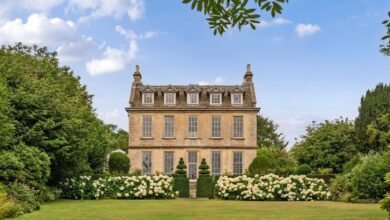
The architecture of Ebberston Hall embodies the Palladian style, inspired by classical ideas of symmetry, proportion, and harmony. Designed by Colen Campbell, one of the leading figures of early Georgian architecture, the hall was conceived in the spirit of Italian countryside villas rather than as a sprawling mansion.
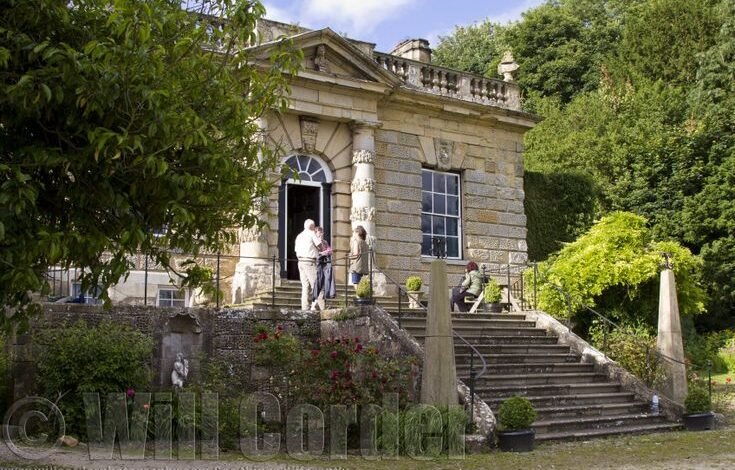
The principal façade features a three‑bay frontage with a Tuscan loggia, an elegant covered gallery supported by classical columns that provides views across the gardens. Built of sandstone with ashlar dressings and distinctive rustication, the exterior combines refined classical detailing with local building materials, giving the house both grandeur and regional character.
The hall’s proportions are relatively intimate for a country estate, reflecting its original use as a retreat rather than a grand palace. Stepped cascades and canal features to the north of the house once enhanced the landscape’s visual impact and were integral to the estate’s design. Although modifications have taken place over centuries, the architecture remains a valuable example of early Georgian elegance in rural Yorkshire.
Gardens and Grounds of Ebberston Hall
Ebberston Hall sits within an estate that historically included pleasure grounds and water gardens designed to complement the building’s classical geometry. These ornamental landscapes were important features of early 18th‑century garden design, blending natural scenery with structured artistic elements.
To the north, a network of canals and stepped cascades—listed as Grade II* for heritage interest—reflect the early garden design that framed views and highlighted the dramatic valley landscape. Though some features have altered through time, remnants of these water elements remain, testifying to the ambition of the original layout. Water from limestone springs fed the canals, and views from paths along the gardens provided contrasting panoramas of valley slopes and open parkland.
On the south side, lawns and vistas across the Vale of Pickering offered long, unbroken scenic views, while trees such as Wellingtonias planted around 1900 frame the landscape, adding mature greenery to the estate. Though not generally open to the public, the gardens’ historical prominence is recognised through their Grade II listing in the Register of Parks and Gardens of Special Historic Interest*.
Visiting Ebberston Hall: Tips and Experiences
Ebberston Hall remains a private residence and is not regularly open to daily public touring. However, those interested in architecture, heritage, and historic estates may arrange visits by appointment or explore the surrounding countryside and village of Ebberston, which offers pastoral charm and local character.
The nearby village hosts community events and seasonal activities that celebrate local culture, making a visit to the area appealing even without access to the hall itself. The Norman‑origin St Mary’s Church offers another glimpse into local history for visitors exploring the parish. Ebberston’s location on the A170, close to Pickering and the York… moors region, makes it an excellent base for exploring broader North Yorkshire attractions.
When planning a visit, it’s worth contacting local heritage groups or checking with estate representatives to see whether garden tours, special open days, or guided walks are available, as these can enhance appreciation of the site’s history and landscape setting.
Conclusion
Ebberston Hall is a distinguished example of early 18th‑century English country architecture, combining Palladian design, historical gardens, and a scenic rural setting in North Yorkshire. Its Grade I listed status reflects its cultural and architectural importance, while the surrounding park and garden features highlight the estate’s original landscape ambitions.
Though rarely open to the public, the hall’s presence enriches the architectural heritage of the Yorkshire countryside, inviting exploration of local history and landscape design. Whether approached through formal visits by appointment or enjoyed from nearby village paths, Ebberston Hall remains a hidden gem of English heritage worth discovering.
Frequently Asked Questions (FAQs)
Where is Ebberston Hall located?
Ebberston Hall is located in the village of Ebberston, near Pickering in North Yorkshire, England.
Can the public visit Ebberston Hall freely?
The hall is a private residence but visits may be possible by appointment; check with local contacts or heritage groups.
What is the historical significance of Ebberston Hall?
Built in 1718 and designed by Colen Campbell, the hall reflects early Georgian architectural style and classical influences, earning a Grade I listing.
Are there guided tours available at Ebberston Hall?
Public guided tours are not regular but may be arranged on special occasions or by appointment.
Can Ebberston Hall be booked for weddings or private events?
As a private estate, use for weddings or events would depend on permission from owners and availability; contact representatives for details.
What are the best times of year to visit the gardens at Ebberston Hall?
Spring and summer offer the most vibrant garden views and landscape highlights, though access depends on prior arrangement.
You May Also Read: Corporation Island