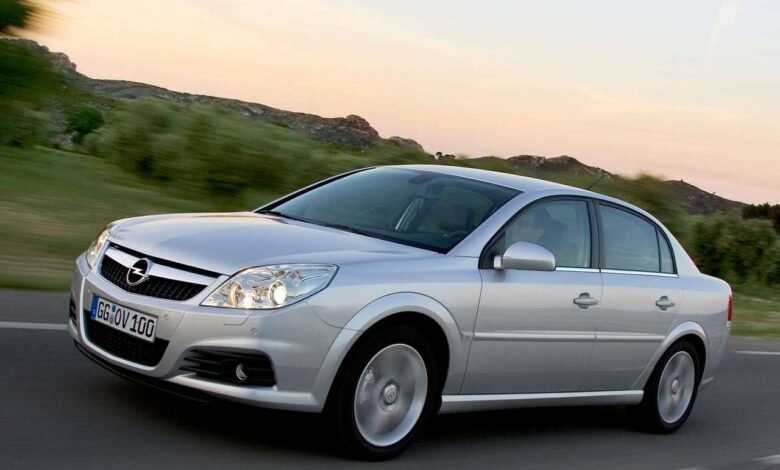
The Opel Vectra C is one of the most notable mid-size family cars produced by the German automaker Opel during the early 2000s. Known for its practical design, solid engineering, and balanced performance, the Opel Vectra C was aimed at drivers seeking a reliable yet stylish alternative to more expensive sedans and hatchbacks. Its blend of comfort, efficiency, and technology made it a popular choice among families and professionals across Europe.
The Vectra C marked a significant departure from its predecessor, the Vectra B, with a more modern exterior design and enhanced interior comfort. The car’s aerodynamically styled body, smooth lines, and refined detailing gave it a contemporary appeal, while its cabin was designed to provide both space and convenience. The model was available in several body styles, including sedan, hatchback, and estate, making it versatile for various consumer needs.
This guide aims to explore the Opel Vectra C in depth, covering its history, design, performance, reliability, and market value. Whether you are considering buying a used model, a car enthusiast interested in mid-size European vehicles, or simply curious about the Vectra C’s legacy, this article provides a comprehensive overview. By the end, readers will gain a clear understanding of the features that made the Vectra C a respected name in the mid-size car segment and how it stands today among similar vehicles.
History and Evolution
The Opel Vectra C was introduced in 2002 as the third generation of the Vectra lineup, following the successful Vectra A and B models. Built on the GM Epsilon platform, it benefited from improved structural rigidity, enhanced safety features, and modern styling that reflected the automotive trends of the early 21st century. The car quickly positioned itself as a credible competitor to models like the Ford Mondeo, Volkswagen Passat, and Peugeot 407.
Over the years, the Vectra C underwent several updates and facelifts to keep it competitive. Cosmetic changes included revised headlights, grilles, bumpers, and alloy wheel designs, while interior upgrades brought improved infotainment systems, better materials, and ergonomic enhancements. Diesel and petrol engine options were refined for better performance and fuel efficiency, catering to a wide audience of drivers. These updates helped maintain the model’s appeal and ensured it remained a practical, stylish choice for families and professionals alike.
The Vectra C’s market reception was generally positive, praised for its build quality, comfort, and handling. In certain European countries, it became a preferred choice for company fleets due to its reliability and reasonable operating costs. The model’s blend of refinement and practicality reinforced Opel’s reputation as a manufacturer of well-rounded, dependable vehicles. Its legacy today continues as many used Vectra C models are still on the road, known for their solid performance and enduring design.
Design and Exterior Features
The exterior of the Opel Vectra C reflects the elegance and balance typical of Georgian-inspired automotive proportions, offering a clean, streamlined silhouette that appeals to both conservative and modern tastes. Its aerodynamic shape reduced drag, improving fuel efficiency and overall driving performance. Signature design elements include the smooth contours of the hood, trapezoidal grille, and integrated headlamp units, which together create a cohesive and sophisticated look.
The Vectra C was available in multiple trims and configurations, including the classic sedan, practical hatchback, and spacious estate. Each body style was designed with functionality in mind while retaining visual appeal. Estate versions offered extended cargo space and roof rails, ideal for family use or travel, while hatchbacks combined compact dimensions with practicality for urban driving. Alloy wheel options and exterior color choices further allowed buyers to personalize their vehicles.
Attention to detail extended to lighting and exterior finishes. Optional xenon headlights, fog lamps, and LED indicators were available on higher trims, enhancing both safety and style. Even subtle elements such as side moldings, chrome trims, and rear spoiler options contributed to a polished appearance, making the Vectra C competitive in the mid-size segment. Its exterior styling, combined with solid build quality, reinforced the car’s position as a reliable, visually appealing choice for buyers.
Interior and Comfort
Inside, the Opel Vectra C offers a spacious and comfortable cabin designed for both driver convenience and passenger comfort. The layout emphasizes accessibility, with controls and instrumentation arranged ergonomically to ensure ease of use. Soft-touch materials, quality upholstery, and thoughtfully designed seating contribute to a pleasant in-car experience. For longer journeys, the generous legroom and supportive seats make a notable difference, particularly in estate models.
Technology and infotainment were important selling points during the Vectra C’s production. Mid- and high-range trims included options like CD players, navigation systems, climate control, and multifunction steering wheels. These features enhanced convenience while reinforcing the car’s image as a practical yet modern vehicle. Safety was also a priority, with airbags, ABS, and electronic stability control included across most trims. Higher trims offered additional driver assistance features, further enhancing confidence and comfort.
The Vectra C’s interior also focuses on practicality. Ample storage compartments, flexible seating configurations, and foldable rear seats allow drivers to adapt the cabin to various needs. The estate version, in particular, maximizes cargo space without compromising passenger comfort. Overall, the interior design balances modern convenience with timeless comfort, making it suitable for families, commuters, and enthusiasts alike.
Engine Options and Performance
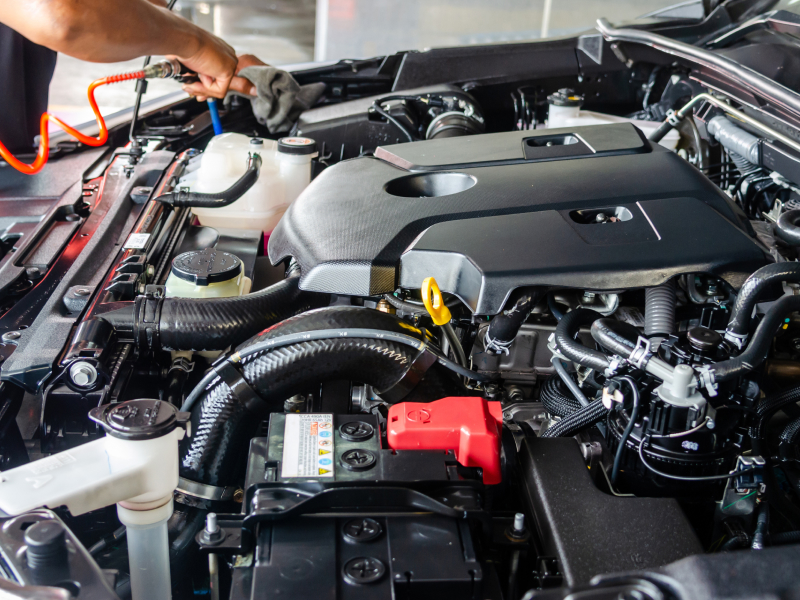
The Opel Vectra C was offered with a range of petrol and diesel engines, catering to different driving preferences and market requirements. Petrol engines ranged from efficient 1.8-liter units to more powerful 2.2-liter and 3.2-liter options, providing a balance between fuel economy and performance. Diesel options, popular in Europe, included 2.0-liter and 2.2-liter units designed for torque, efficiency, and long-distance driving.
Transmission options included both manual and automatic gearboxes, offering flexibility for drivers. Manual transmissions were praised for smooth gear shifts and engaging driving experience, while automatic versions catered to comfort-oriented buyers. The Vectra C’s suspension was tuned to provide a balance between ride comfort and handling precision, making it suitable for city commuting and highway cruising alike.
Fuel efficiency varied depending on the engine and transmission combination, with diesel models generally offering superior economy for long-distance drivers. Common performance issues were limited, though some early models experienced minor electrical glitches and wear-related concerns. Regular maintenance, including oil changes, timing belt replacement, and brake inspections, is recommended to ensure long-term reliability and performance.
Reliability and Maintenance
The Opel Vectra C is generally regarded as a reliable mid-size car, with many examples still in use today. Regular maintenance is key to longevity, and owners report that proper servicing ensures consistent performance and minimal mechanical issues. Common areas requiring attention include electrical systems, suspension components, and timing belt intervals.
Cost of ownership is considered reasonable, with spare parts widely available due to the car’s popularity across Europe. Service and repair costs are competitive when compared to other mid-size cars in the segment. Experienced owners recommend following the manufacturer’s maintenance schedule and addressing minor issues promptly to prevent more significant problems.
Overall, the Vectra C’s solid engineering, combined with accessible maintenance, makes it an appealing choice for used car buyers. Its durability, coupled with comfort and performance, has allowed it to maintain a strong reputation among mid-size vehicles.
Market Value and Buying Guide
Today, the Opel Vectra C is primarily available as a used vehicle, with prices varying depending on age, mileage, condition, and trim. Well-maintained models in higher trims tend to command better prices, while those with higher mileage or cosmetic issues are more affordable. Buyers are advised to check service history, inspect the engine and suspension, and verify documentation before purchase.
Used Vectra C models remain popular for their reliability, comfort, and practical design. Dealerships, private sellers, and online marketplaces provide a variety of options, ensuring buyers can find models that suit their budget and preferences. Inspecting key areas like engine condition, interior wear, and suspension performance is crucial to avoid unexpected maintenance costs.
For prospective buyers, the Opel Vectra C offers a balanced combination of style, practicality, and affordability. Its enduring design, solid performance, and reputation for reliability make it an appealing option in the used mid-size car market.
Conclusion
The Opel Vectra C is a well-rounded mid-size car that combines comfort, practicality, and solid engineering. With a range of engine options, versatile body styles, and thoughtfully designed interiors, it has maintained relevance among used car buyers and enthusiasts. Its historical significance, reliability, and balance of performance and comfort make it a standout choice in its segment.
For anyone considering a used Vectra C, understanding its features, maintenance needs, and market value is essential. With proper care, this vehicle continues to offer a dependable and enjoyable driving experience. Whether for daily commuting, family use, or long-distance travel, the Opel Vectra C remains a testament to Opel’s commitment to quality and practicality.
Frequently Asked Questions (FAQs)
What years was the Opel Vectra C produced?
The Opel Vectra C was produced from 2002 to 2008.
What are the engine options available for the Opel Vectra C?
Options include 1.8L to 3.2L petrol engines and 2.0L to 2.2L diesel engines.
How reliable is the Opel Vectra C?
The Vectra C is generally reliable with regular maintenance and proper servicing.
What are common issues to watch for in a used Opel Vectra C?
Electrical glitches, suspension wear, and timing belt replacement are common concerns.
What is the fuel efficiency of the Opel Vectra C?
Fuel efficiency varies; diesel models typically offer better economy for long-distance driving.
Are parts for the Opel Vectra C easily available?
Yes, spare parts are widely available due to its popularity in Europe.
How much does a used Opel Vectra C cost today?
Prices vary depending on condition, mileage, and trim, ranging from affordable budget options to well-maintained premium trims.
Which trims of Opel Vectra C are the most popular?
Mid-range trims with comfort and technology packages are often preferred by buyers.
You May Also Read: Great Barr Hall