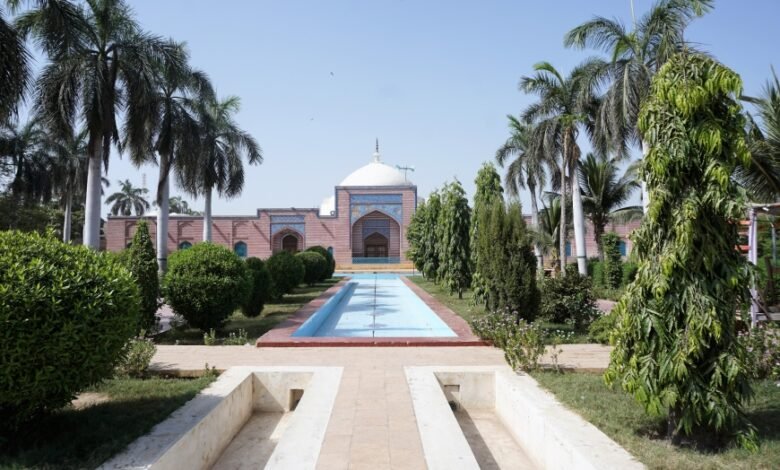
The Shah Jahan Mosque is widely regarded as one of the most remarkable examples of Mughal-era architecture in Pakistan. Located in the historic city of Thatta, Sindh, the mosque is celebrated not only for its architectural brilliance but also for its deep cultural and religious significance. Built during the golden period of the Mughal Empire, the mosque represents a fusion of Persian artistry and traditional Islamic architectural principles, making it a jewel of South Asian heritage.
Shah Jahan Mosque is renowned for its intricate tile work, elegant domes, and harmonious proportions, attracting historians, architects, and tourists alike. Unlike many contemporary structures, the mosque’s design reflects a careful balance between beauty and function. The acoustic perfection, geometric symmetry, and richly decorated interiors are a testament to the advanced architectural skills of the Mughal period. The mosque continues to serve as a place of worship while also standing as a cultural landmark, bridging centuries of history with modern appreciation.
Understanding the historical context of the Shah Jahan Mosque offers insights into the Mughal approach to architecture and urban planning. It exemplifies the empire’s commitment to blending artistic expression with spiritual devotion, ensuring that sacred spaces were visually stunning yet practical for congregational use. This guide will explore the mosque’s history, architecture, cultural significance, and tips for visiting, providing a comprehensive look at one of Pakistan’s most treasured monuments.
Historical Background of Shah Jahan Mosque
The Shah Jahan Mosque was commissioned by Shah Jahan in 1647 during his reign, marking a period when Mughal architecture was at its zenith. Thatta, the city hosting this mosque, was an important political and cultural hub in Sindh during the Mughal period. Known for its strategic position and thriving economy, Thatta was an ideal location for constructing a grand mosque that would serve both as a center of worship and a symbol of imperial authority.
The historical significance of the mosque extends beyond its construction. It embodies the Mughal tradition of integrating Persian artistic sensibilities with local craftsmanship. The mosque’s layout, use of decorative elements, and structural techniques reflect broader trends in Mughal architecture seen in other iconic structures like the Wazir Khan Mosque in Lahore or the Jama Masjid in Delhi. Unlike simpler mosques of the time, Shah Jahan Mosque was designed to impress both spiritually and visually, with its extensive tile work and carefully calculated proportions.
Over the centuries, the mosque has faced environmental challenges and the passage of time. Preservation efforts by local authorities and heritage organizations have helped maintain its structural integrity and artistic splendor. Today, Shah Jahan Mosque is recognized not only as a functional place of worship but also as a testament to Mughal architectural mastery and Thatta’s historical prominence. Its enduring presence continues to inspire scholars, architects, and tourists.
Architectural Design and Features
The architectural brilliance of Shah Jahan Mosque lies in its embodiment of classical Mughal architectural style. The mosque features a large rectangular prayer hall, surrounded by a courtyard with colonnaded verandas. The structure demonstrates symmetry and proportional harmony, key characteristics of Mughal design. Its combination of Persian-inspired motifs, geometric patterns, and Islamic calligraphy creates an immersive aesthetic experience that captures the eye of every visitor.
One of the most striking features of the mosque is its domes and minarets. The main prayer hall is crowned with several intricately designed domes, while slender minarets enhance its vertical elegance. These elements not only contribute to the mosque’s visual appeal but also serve functional purposes, improving airflow and enhancing acoustics. The mosque’s structural ingenuity ensures that the call to prayer resonates clearly throughout the complex, a feature that was particularly advanced for its time.
Perhaps the most celebrated aspect of Shah Jahan Mosque is its tile work and ornamentation. Rich blue tiles cover the walls and domes, forming intricate floral and geometric patterns inspired by Persian and Central Asian artistry. Each motif carries cultural symbolism, reflecting the spiritual and aesthetic values of the Mughal era. The combination of colors, symmetry, and detailed craftsmanship creates a serene atmosphere that encourages contemplation and reverence.
In addition to visual beauty, the mosque exhibits impressive acoustic and structural engineering. The layout and design amplify sound naturally, ensuring sermons and prayers can be heard without modern amplification. The brickwork and foundations have allowed the mosque to endure centuries of environmental stress, further highlighting the technical mastery of Mughal architects.
Cultural and Religious Significance
Shah Jahan Mosque holds immense cultural and religious importance in Sindh and the wider Muslim world. It has served as a center for community worship, religious gatherings, and spiritual education for generations. The mosque embodies the Mughal philosophy that sacred spaces should inspire awe while facilitating devotion, demonstrating the empire’s understanding of architecture as a tool for cultural and spiritual enrichment.
Historically, the mosque has also influenced other Islamic architectural developments in the region. Its emphasis on geometric patterns, tile work, and dome construction inspired local artisans and architects, contributing to the proliferation of Mughal design principles throughout South Asia. The mosque exemplifies how religious structures were not only places of worship but also cultural hubs that encouraged artistic expression and craftsmanship.
As a tourist attraction, Shah Jahan Mosque is recognized as a heritage site, drawing visitors from around the world. It educates people about the rich history of the Mughal Empire and the architectural achievements of the 17th century. Tourists often marvel at the mosque’s visual harmony and learn about the cultural and historical context of its construction. The mosque’s preservation ensures that future generations can continue to appreciate its significance.
Visiting Shah Jahan Mosque
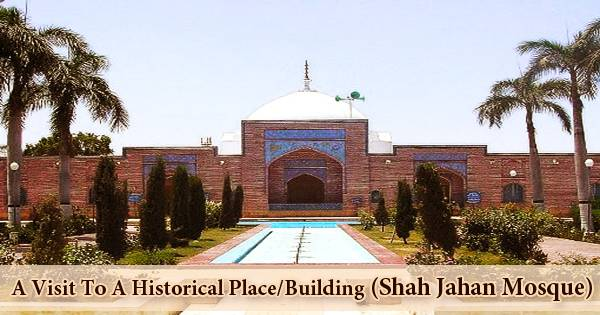
Located in the heart of Thatta, Sindh, the Shah Jahan Mosque is easily accessible for both local and international tourists. Visitors can reach the mosque via road from Karachi or Hyderabad, making it a feasible destination for day trips or extended heritage tours. The city itself offers other historical attractions, including necropolises and traditional markets, which can be combined with a visit to the mosque for a rich cultural experience.
Visitors to the mosque should follow respectful guidelines, including appropriate attire that covers arms and legs, and the removal of shoes before entering prayer areas. Photography is generally permitted, but it is advised to avoid disturbing worshippers during prayer times. Early mornings or late afternoons are often the best times to visit, offering soft lighting that enhances the beauty of the intricate tile work.
Nearby attractions in Thatta include the Makli Necropolis, a UNESCO World Heritage Site, and other Mughal-era architectural landmarks. Together, these sites offer a comprehensive view of the region’s rich history and cultural heritage, making Thatta an ideal destination for history enthusiasts and cultural travelers.
Legacy of Shah Jahan Mosque
The Shah Jahan Mosque stands as a lasting symbol of Mughal grandeur and architectural mastery. Its influence on subsequent Islamic architecture in the region is evident in the use of domes, tile patterns, and ornamental features in later mosques. The mosque remains an educational example of how aesthetics, engineering, and spirituality can converge in architectural design.
Preservation efforts continue to ensure that the mosque remains a testament to Pakistan’s cultural heritage. Scholars, historians, and architects study the mosque to understand Mughal-era construction techniques and artistic principles. By protecting and promoting this site, Pakistan safeguards an essential part of its national identity and history.
For travelers, historians, and architects alike, Shah Jahan Mosque represents a bridge between the past and present. It not only provides a space for worship but also serves as a source of inspiration, reflecting the grandeur, precision, and artistry of the Mughal Empire. Its legacy endures as one of Pakistan’s most beautiful and historically significant monuments.
Conclusion
The Shah Jahan Mosque is far more than a place of worship—it is a masterpiece of Mughal architecture, a cultural landmark, and a symbol of historical legacy. Its intricate design, stunning tile work, and harmonious proportions reflect the sophistication of 17th-century Islamic architecture. By blending Persian artistry with local craftsmanship, the mosque continues to inspire awe among historians, tourists, and worshippers alike.
Visiting Shah Jahan Mosque offers not only an opportunity to appreciate architectural beauty but also to connect with the rich history of the Mughal Empire and the cultural heritage of Sindh. Its enduring legacy ensures that it remains one of Pakistan’s most treasured landmarks, a testament to the ingenuity, faith, and artistic vision of its creators.
Frequently Asked Questions (FAQs)
When was the Shah Jahan Mosque built?
It was constructed in 1647 during the reign of Shah Jahan.
Where is Shah Jahan Mosque located?
It is located in Thatta, Sindh, Pakistan.
What makes Shah Jahan Mosque unique?
Its intricate blue tile work, multiple domes, perfect symmetry, and acoustic design set it apart from other Mughal-era mosques.
Who commissioned the mosque?
The mosque was commissioned by Mughal Emperor Shah Jahan.
Is Shah Jahan Mosque open to tourists?
Yes, it is a heritage site and open to visitors, with guidelines for respectful visiting.
Are there other attractions near the mosque?
Yes, including the Makli Necropolis and other Mughal-era landmarks in Thatta.
What is the significance of the blue tile work?
The blue tiles reflect Persian influence and symbolize spiritual and artistic harmony.
How does the mosque compare to other Mughal mosques?
It is considered one of the finest examples of Mughal architecture in Sindh, particularly for its tile work and domes.
What are the best times to visit Shah Jahan Mosque?
Early morning or late afternoon is ideal for soft lighting and fewer crowds.
Is the mosque recognized as a protected heritage site?
Yes, it is a heritage site protected for its historical, cultural, and architectural significance.
You May Also Read: Very Contact Number