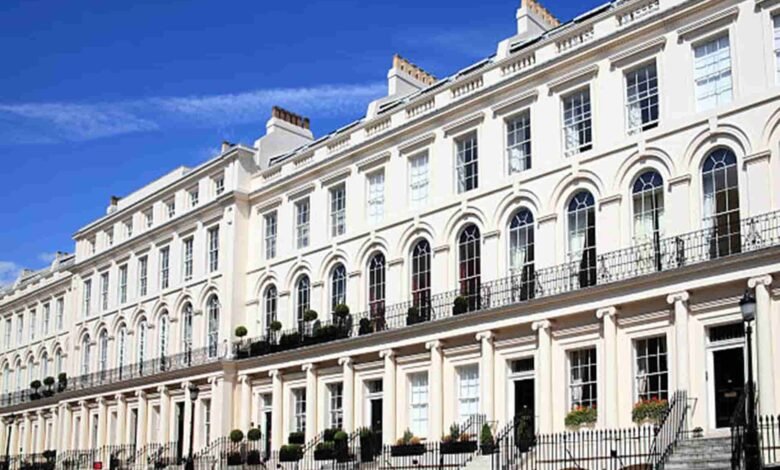
A terraced house is a popular residential property type characterized by a row of identical or similar homes that share side walls. This style of housing has been a staple in urban environments for centuries, particularly in densely populated cities where maximizing space is essential. From historic brick-lined streets in Europe to modern urban developments across the globe, terraced house continue to offer a practical and affordable solution for homeowners and investors alike.
One of the defining aspects of terraced houses is their efficient use of land. By sharing walls, these homes reduce construction costs and improve energy efficiency. This design not only makes them more affordable compared to detached houses but also fosters a sense of community among neighbors. For many first-time buyers, a terraced house serves as an ideal entry point into the property market.
In recent years, terraced houses have evolved significantly in terms of design and functionality. Modern builds incorporate open-plan layouts, energy-efficient materials, and smart home technologies, making them more appealing to a wide range of buyers. Whether you are looking for a cozy home or a promising investment, understanding the nuances of terraced houses is essential.
Key Features and Types of Terraced Houses
Terraced houses come in various forms, each offering unique features and advantages. The most common type is the mid-terrace house, which is situated between two neighboring properties. These homes typically benefit from better insulation due to shared walls, making them energy-efficient and cost-effective to maintain.
End-terrace houses, located at the end of a row, provide additional advantages such as more natural light, extra outdoor space, and sometimes greater privacy. These properties are often slightly more expensive than mid-terrace homes due to their desirable positioning. Corner terraces, a variation of end-terrace homes, may offer even more space and flexibility in design.
Another variation is the back-to-back terraced’house, commonly found in older industrial cities. These homes share walls on multiple sides and often lack rear gardens. While they may be more compact, they are usually more affordable and suitable for buyers with limited budgets.
Modern terraced houses differ significantly from their traditional counterparts. Contemporary designs often feature larger windows, better ventilation systems, and flexible living spaces. Developers are also focusing on sustainability, incorporating eco-friendly materials and energy-saving technologies to meet modern demands.
Advantages of Living in a Terraced House
One of the biggest advantages of living in a terraced house is affordability. Compared to detached or semi-detached properties, terraced houses are generally more budget-friendly, making them accessible to a wider range of buyers. This affordability extends beyond the purchase price, as maintenance and utility costs are often lower due to shared walls and efficient layouts.
Energy efficiency is another significant benefit. The shared walls between properties help retain heat, reducing the need for excessive heating during colder months. This not only lowers energy bills but also contributes to a more sustainable lifestyle. For environmentally conscious homeowners, this is a major advantage.
Terraced houses also promote a strong sense of community. Living in close proximity to neighbors can foster social connections and create a supportive environment. This is particularly beneficial for families and individuals who value a sense of belonging and security.
Additionally, terraced’houses are often located in well-connected urban areas. Proximity to public transport, schools, shops, and workplaces makes daily life more convenient. This accessibility enhances the overall quality of life and adds to the long-term value of the property.
Challenges and Considerations
Despite their many benefits, terraced houses also come with certain challenges. One of the most common concerns is limited privacy. Sharing walls with neighbors means that noise can sometimes travel between properties, which may be an issue for light sleepers or those who value quiet living environments.
Space constraints can also be a drawback, especially in older terraced houses. Rooms may be smaller, and storage options can be limited. However, with thoughtful design and clever space-saving solutions, these limitations can often be overcome.
Another consideration is parking. In many urban areas, terraced’houses do not come with dedicated parking spaces, which can be inconvenient for homeowners with vehicles. Street parking may be limited, particularly in densely populated neighborhoods.
Maintenance can also pose challenges, particularly in older properties. Issues such as dampness, outdated wiring, or structural wear may require attention. Prospective buyers should conduct thorough inspections and consider renovation costs before making a purchase.
Design Ideas and Modern Upgrades
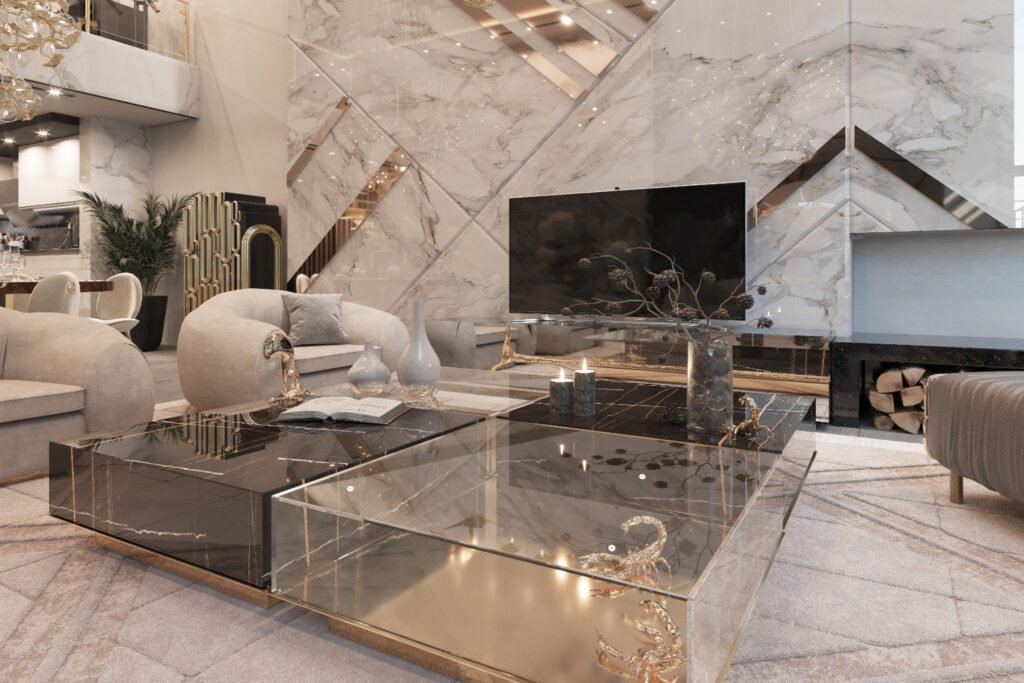
Modernizing a terraced house can significantly enhance its appeal and functionality. One popular approach is adopting an open-plan layout, which creates a sense of space and improves natural light flow. Removing non-structural walls between the kitchen and living areas can transform the overall feel of the home.
Maximizing natural light is another key design strategy. Large windows, skylights, and glass doors can brighten interiors and make rooms appear more spacious. Light color palettes and reflective surfaces further enhance this effect, creating a welcoming and airy atmosphere.
Outdoor spaces, even if limited, can be optimized for relaxation and entertainment. Small gardens, patios, or rooftop terraces can add value and provide a private retreat. Incorporating greenery and comfortable seating can transform these areas into functional extensions of the home.
Smart home technologies are also becoming increasingly popular in terraced’houses. Features such as automated lighting, energy-efficient appliances, and security systems not only improve convenience but also increase the property’s market value. These upgrades make terraced’houses more competitive in today’s real estate market.
Investment Potential of Terraced Houses
Terraced houses offer strong investment potential due to their affordability and high demand. In urban areas, where space is limited and property prices are rising, terraced houses provide an attractive option for both buyers and renters. This consistent demand ensures steady rental income and long-term capital appreciation.
For investors, terraced houses are often easier to maintain compared to larger properties. Lower maintenance costs and efficient layouts contribute to higher returns on investment. Additionally, these properties are generally easier to resell due to their broad appeal.
Renovation projects can further enhance investment value. Upgrading interiors, improving energy efficiency, and adding modern features can significantly increase the property’s market price. Investors who focus on strategic improvements can achieve substantial returns.
Market trends also favor terraced’houses, particularly in cities experiencing population growth. As more people seek affordable housing options, the demand for terraced properties is expected to remain strong. This makes them a reliable choice for long-term investment.
Conclusion
Terraced houses continue to be a practical and appealing housing option for a wide range of buyers. Their affordability, energy efficiency, and urban convenience make them an ideal choice for first-time homeowners, families, and investors alike. While they come with certain challenges such as limited space and privacy, thoughtful design and modern upgrades can address these issues effectively.
As cities grow and housing demands evolve, terraced houses remain a cornerstone of urban living. Whether you are looking to buy, renovate, or invest, understanding the unique characteristics of terraced houses will help you make informed decisions. With the right approach, these homes can offer both comfort and long-term value.
Frequently Asked Questions (FAQs)
What is a terraced house?
A terraced house is a property that is part of a row of similar houses sharing side walls.
Are terraced houses cheaper than detached houses?
Yes, they are generally more affordable due to shared construction and smaller land requirements.
Do terraced houses have good resale value?
They often have strong resale value, especially in urban areas with high demand.
Is noise a problem in terraced houses?
Noise can be an issue due to shared walls, but proper insulation can minimize it.
Are terraced houses energy efficient?
Yes, shared walls help retain heat, making them more energy-efficient.
Can terraced houses be renovated easily?
Yes, many can be upgraded with modern designs, though structural changes may require approval.
Do terraced houses come with parking?
Not always; many rely on street parking depending on the location.
Are terraced houses good for families?
Yes, especially in areas with good amenities and community environments.
You May Also Read: Kerrydale Street