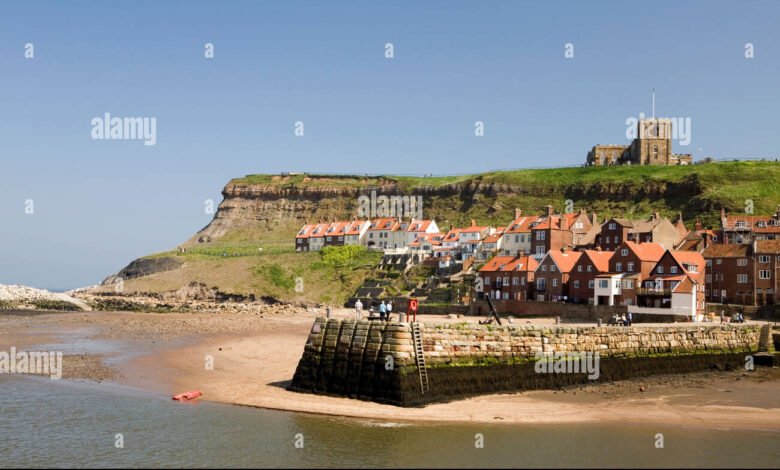
Whitby is one of England’s most charming seaside towns, known for its dramatic coastline, historic harbour, and strong maritime heritage. One of the most fascinating natural features of this North Yorkshire destination is Whitby low tide, a time when the sea retreats dramatically to reveal a completely different coastal landscape. For visitors, low tide offers unique opportunities to explore beaches, discover rock pools, and experience the shoreline in a way that is impossible at high tide.
Understanding Whitby low tide is essential for anyone planning a visit. Whether you are a tourist looking for scenic walks, a photographer searching for the perfect coastal shot, or a family hoping to enjoy rock pooling safely, timing your visit around low tide can make all the difference. This guide explains how Whitby’s tides work, what you can see and do at low tide, and how to stay safe while enjoying this natural phenomenon.
Understanding Tides in Whitby
Tides are the regular rise and fall of sea levels caused mainly by the gravitational pull of the Moon and the Sun. In Whitby, tides follow a predictable cycle, with two high tides and two low tides occurring approximately every 24 hours. This means Whitby experiences low tide roughly twice a day, although the exact times change daily. These changes are gradual and follow a lunar pattern, which is why tide times shift by around 50 minutes each day.
Whitby’s location on the North Sea gives it a noticeable tidal range, meaning the difference between high tide and low tide can be quite significant. During low tide, the sea can retreat far from the shoreline, exposing large areas of sand, rocks, and seaweed-covered ground. Spring tides, which occur during full and new moons, create especially low tides, revealing even more of the seabed. Neap tides, which happen during quarter moons, result in less dramatic changes.
Whitby Low Tide Times and Planning Your Visit
Planning around Whitby low tide times is crucial for making the most of your visit. Tide times change daily, so checking an accurate tide timetable before you arrive is essential. Low tide does not last all day; it usually occurs for a short window before the water begins to rise again. The safest approach is to arrive shortly before low tide and keep an eye on the time as the tide turns.
Seasonal differences also play a role in how Whitby low tide feels. In summer, longer daylight hours make it easier to explore the coastline safely, while winter low tides can feel more dramatic due to rougher seas and changing weather conditions. Weather, wind direction, and atmospheric pressure can also slightly affect how far the sea goes out, even if the tide time remains the same.
What to See and Do at Whitby Low Tide
One of the greatest attractions of Whitby low tide is the opportunity to explore the beach in detail. When the sea retreats, wide stretches of sand and rock platforms become accessible, offering space for walking, relaxing, and discovering hidden coastal features. Areas that are usually underwater suddenly reveal patterns of rock formations and shallow pools teeming with marine life.
Rock pooling is particularly popular at low tide, especially with families and children. Small crabs, sea anemones, and tiny fish can often be found in pools left behind by the receding sea. Fossil hunting is another well-known activity, as Whitby’s coastline is famous for ammonites and other ancient remains. Low tide provides safer and more accessible conditions for exploring fossil-rich areas, although care should always be taken near cliffs.
Safety Tips for Whitby Low Tide
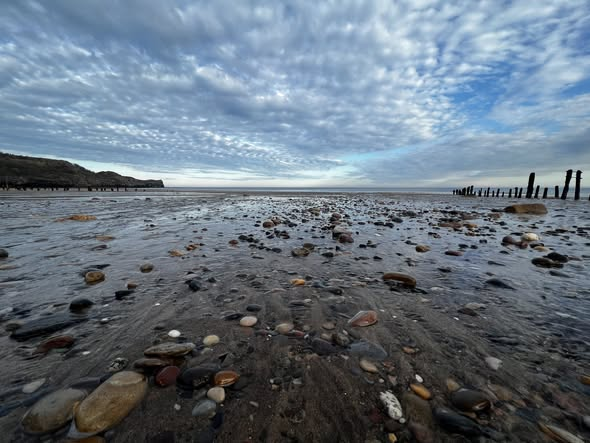
While Whitby low tide offers exciting exploration opportunities, safety should always come first. Tides can rise quickly, and it is easy to become distracted while exploring the beach. Always check tide times in advance and plan to leave the shoreline well before the tide begins to come back in. Many coastal accidents happen when people underestimate how fast the water can return.
Footwear is another important consideration. The exposed seabed can be slippery due to seaweed and wet rocks, so sturdy shoes with good grip are recommended. Weather conditions can change rapidly along the coast, making it important to dress appropriately and remain aware of your surroundings. Parents should supervise children closely, particularly around rock pools and uneven ground.
Whitby Low Tide and Local Attractions
Low tide also has a noticeable effect on Whitby Harbour and nearby attractions. When the water level drops, boats sit lower or rest on the harbour floor, offering a fascinating glimpse into the working life of the port. This change in scenery is especially interesting for visitors who want to understand Whitby’s maritime history and fishing traditions.
Nearby beaches and hidden coves become more accessible during low tide, allowing walkers to explore stretches of coastline that are usually cut off by water. Many local cafes and shops are busiest around peak visiting times, so low tide exploration often pairs well with a relaxed meal or coffee afterwards. For photographers, the reflections, textures, and wide-open views created by low tide provide excellent creative opportunities.
Environmental Importance of Low Tide
Whitby low tide plays an important role in supporting coastal ecosystems. When the sea retreats, it exposes habitats that are vital for marine life. Rock pools serve as miniature ecosystems, supporting species that are specially adapted to survive changing water levels and temperatures. These environments are delicate and easily disturbed, making responsible behaviour essential.
Visitors are encouraged to observe wildlife without removing it or damaging its habitat. Turning rocks back to their original position and avoiding trampling sensitive areas helps protect the coastline for future generations. Understanding the environmental importance of low tide adds depth to the experience and encourages a greater appreciation of Whitby’s natural heritage.
Conclusion
Whitby low tide transforms the coastline into a place of discovery, beauty, and learning. From scenic walks and fossil hunting to rock pooling and photography, low tide reveals a side of Whitby that many visitors find unforgettable. By understanding how tides work and planning carefully, visitors can enjoy the shoreline safely and responsibly.
Whether you are visiting Whitby for the first time or returning to explore it in more detail, experiencing low tide offers a deeper connection to the town’s natural and cultural identity. With the right preparation, Whitby low tide becomes not just a moment in time, but a highlight of any coastal visit.
Frequently Asked Questions (FAQs)
What time is low tide in Whitby today?
Low tide times change daily, so it is best to check a reliable tide timetable before visiting.
How long does low tide last in Whitby?
Low tide itself is brief, but conditions remain suitable for exploration for a short period before and after.
Is it safe to walk far out at low tide?
Yes, if tide times are checked carefully and the rising tide is monitored closely.
Can you go fossil hunting at Whitby low tide?
Yes, low tide is ideal for fossil hunting, but safety guidelines should always be followed.
Does Whitby low tide change throughout the year?
Yes, seasonal changes and lunar cycles affect how far the sea retreats.
How far does the sea go out at low tide in Whitby?
This varies, but during spring tides the shoreline can extend a considerable distance.
Are guided activities available at low tide?
Some local tours and educational walks are organised around low tide conditions.
You May Also Read: Energy Resources GCSE Physics