
A window sill cover is one of those subtle home upgrades that can make a surprisingly big impact. Often overlooked, window sills are exposed to daily wear and tear, including sunlight, moisture, dust, and accidental spills. Over time, this exposure can lead to fading, cracking, or even structural damage. A well-chosen window sill cover not only protects this vulnerable area but also enhances the overall look of your space, making it feel more polished and complete.
In modern interior design, every detail matters, and window sill cover are no exception. Whether you’re renovating your home or simply looking to refresh a room, upgrading your window sills can elevate your décor without requiring a major investment. From sleek, minimalist finishes to luxurious stone surfaces, the variety of options available today ensures that there’s something to suit every taste and budget.
This comprehensive guide explores everything you need to know about window sill covers—from materials and benefits to installation and design trends. By the end of this article, you’ll have a clear understanding of how to choose the right window sill cover for your needs and how to make the most of this practical yet stylish feature.
What Is a Window Sill Cover?
A window sill cover is a protective and decorative layer placed over an existing window sill. Its primary purpose is to shield the underlying surface from damage while enhancing its appearance. Unlike the structural sill, which is part of the window frame, a sill cover is an add-on that can be customized or replaced without affecting the integrity of the window itself.
These covers serve both functional and aesthetic roles. Functionally, they act as a barrier against moisture, scratches, and stains, prolonging the life of the original sill. Aesthetically, they provide an opportunity to upgrade the look of your windows, complementing your interior design and adding a touch of sophistication. Whether you prefer a natural wood finish or a modern glossy surface, window sill covers offer endless possibilities.
Window sill covers are widely used in residential homes, offices, and commercial spaces. In homes, they can enhance living rooms, kitchens, and bedrooms by adding character and charm. In commercial settings, they contribute to a clean and professional appearance. For renovation projects, sill covers are an easy and cost-effective way to refresh outdated or damaged window areas without extensive remodeling.
Types of Window Sill Covers
When it comes to choosing a window sill cover, the material plays a crucial role in determining its durability, appearance, and maintenance requirements. Wooden window sill covers are a classic choice, known for their warmth and natural beauty. They can be stained or painted to match any décor, but they require regular maintenance to protect against moisture and warping.
PVC and vinyl covers are popular for their affordability and practicality. These materials are water-resistant, easy to clean, and available in a wide range of colors and finishes. They are particularly suitable for areas exposed to moisture, such as kitchens and bathrooms. Their low maintenance makes them a favorite among busy homeowners.
For a more luxurious look, stone and marble covers are an excellent option. These materials offer unmatched durability and elegance, making them ideal for high-end interiors. Although they come at a higher cost, their longevity and timeless appeal often justify the investment. Metal and aluminum covers, on the other hand, provide a sleek, modern aesthetic and are highly resistant to wear and weather conditions.
Custom window sill covers are also gaining popularity, allowing homeowners to create unique designs tailored to their specific needs. From intricate patterns to innovative finishes, these options provide a personalized touch that can transform an ordinary window into a standout feature.
Key Benefits of Window Sill Covers
One of the primary benefits of window sill covers is protection. By acting as a barrier against moisture, scratches, and daily wear, they help preserve the condition of the underlying sill. This is especially important in areas prone to humidity or frequent use, where damage can occur more quickly.
In addition to protection, window sill covers significantly enhance the visual appeal of a room. They can be used to tie together different design elements, creating a cohesive and harmonious look. Whether you opt for a bold statement piece or a subtle complement to your décor, the right sill cover can elevate the overall aesthetic of your space.
Maintenance is another key advantage. Most modern window sill covers are designed for easy cleaning and long-term durability. Unlike traditional materials that may require frequent upkeep, many covers can be maintained with simple wiping and occasional care. This convenience makes them a practical choice for homeowners seeking low-maintenance solutions.
Energy efficiency is an often-overlooked benefit. By improving insulation around windows, sill covers can help reduce heat loss in colder months and minimize heat gain during warmer seasons. This contributes to a more comfortable indoor environment and can even lead to savings on energy bills over time.
How to Choose the Right Window Sill Cover
Selecting the right window sill cover involves considering several factors, starting with the material. Each material offers unique benefits, so it’s important to choose one that aligns with your needs and environment. For instance, moisture-resistant materials like PVC are ideal for humid areas, while wood may be better suited for dry, indoor spaces.
Accurate measurement is essential to ensure a proper fit. A poorly fitted cover can compromise both functionality and appearance. Taking precise measurements and accounting for any irregularities in the sill will help achieve a seamless installation. Many homeowners choose custom options to ensure a perfect fit.
Design and style are equally important. Your window sill cover should complement the overall theme of your interior. Consider factors such as color, texture, and finish when making your choice. A well-coordinated design can enhance the visual flow of your space and create a more cohesive look.
Budget planning is another crucial aspect. While it’s tempting to opt for the most affordable option, investing in quality materials can provide better long-term value. Balancing cost with durability and aesthetics will help you make a smart and satisfying choice.
Installation Guide for Window Sill Covers
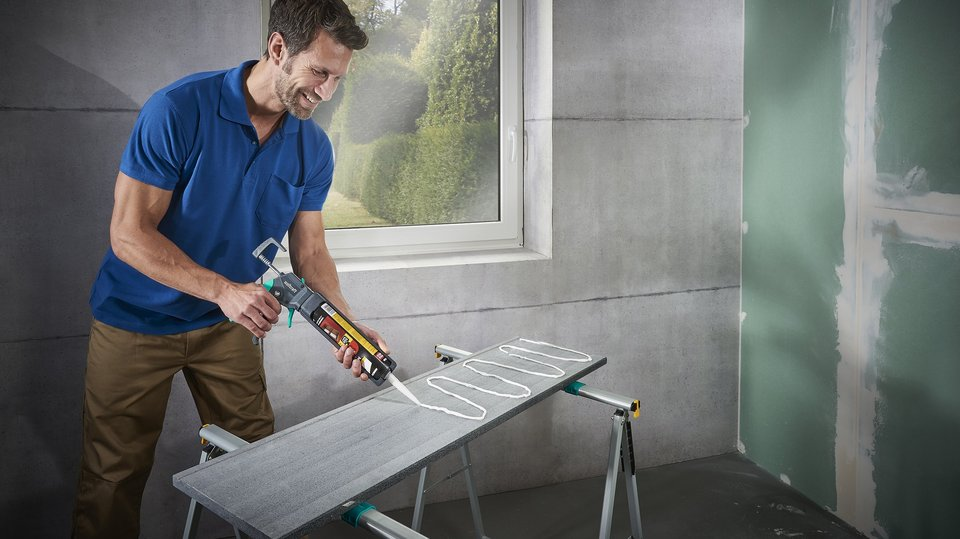
Installing a window sill cover can be a straightforward process, especially for those with basic DIY skills. The first step is to gather the necessary tools and materials, including measuring tape, adhesive, a saw for cutting, and safety equipment. Proper preparation is key to achieving a professional-looking result.
The installation process typically involves cleaning and preparing the existing sill, cutting the cover to the correct size, and securing it in place using adhesive or fasteners. Attention to detail is important during this stage to ensure a snug fit and a smooth finish. Taking your time and following instructions carefully can make a significant difference in the outcome.
While DIY installation can save money, there are situations where hiring a professional is advisable. Complex designs, expensive materials, or structural issues may require expert handling. Professionals can ensure precise installation and minimize the risk of errors, providing peace of mind and a high-quality finish.
Ultimately, the choice between DIY and professional installation depends on your skill level, budget, and the complexity of the project. Both options have their advantages, and selecting the right approach will help you achieve the best results.
Maintenance and Care Tips
Proper maintenance is essential to keep your window sill cover looking its best and functioning effectively. Regular cleaning with appropriate methods for each material will prevent the buildup of dirt and grime. For example, a damp cloth may be sufficient for PVC covers, while wood may require specialized cleaning products.
Preventing common issues such as moisture damage and scratches is also important. Using protective measures like coasters or mats can help reduce wear and tear. Ensuring proper ventilation around windows can minimize moisture buildup and extend the lifespan of the cover.
In some cases, minor damages may occur over time. Small scratches or chips can often be repaired using simple techniques or repair kits. However, if the damage is extensive, replacing the cover may be the best solution. Regular inspection will help you identify and address issues early.
By following these maintenance tips, you can ensure that your window sill cover remains both functional and visually appealing for years to come.
Conclusion
Window sill covers are a simple yet impactful addition to any home or commercial space. They offer a perfect blend of functionality and style, protecting your window sills while enhancing the overall aesthetic of your interiors. With a wide range of materials, designs, and customization options available, there’s a solution to suit every need and preference.
Whether you’re upgrading an existing space or planning a new project, investing in a quality window sill cover can provide long-term benefits. From improved durability and easy maintenance to enhanced design appeal, this small upgrade can make a big difference. By understanding your options and making informed choices, you can transform your windows into a standout feature that adds value and charm to your space.
Frequently Asked Questions (FAQs)
What is the main purpose of a window sill cover?
It protects the sill from damage and enhances its appearance.
Which material is best for window sill covers?
It depends on your needs; PVC is great for moisture resistance, while wood offers a natural look.
Can I install a window sill cover myself?
Yes, many covers are DIY-friendly, but complex installations may require a professional.
Are window sill covers waterproof?
Some materials like PVC and metal are highly water-resistant.
How long do window sill covers last?
With proper maintenance, they can last for many years.
Do window sill covers improve insulation?
Yes, they can help reduce heat loss and improve energy efficiency.
Can window sill covers be customized?
Yes, custom designs are widely available to match your décor.
How do I clean a window sill cover?
Use cleaning methods suitable for the material, such as a damp cloth or specialized products.
You May Also Read: Terraced House