BRP: What Is a Biometric Residence Permit? UK Guide, eVisa Changes & Latest Updates (2026)

A BRP, or Biometric Residence Permit, has been one of the most important immigration documents issued by the UK government. It has served as official evidence of a person’s right to live, work, or study in the United Kingdom. Although the UK has introduced a digital immigration system through eVisas, many people still search for information about the BRP to understand how the latest changes affect them.
Whether you are an international student, skilled worker, family visa holder, or someone planning to move to the UK, understanding the BRP remains essential. This guide explains what a BRP is, who needs one, how it relates to the UK eVisa system, and what steps you should take to manage your immigration status confidently.
What Is a BRP?
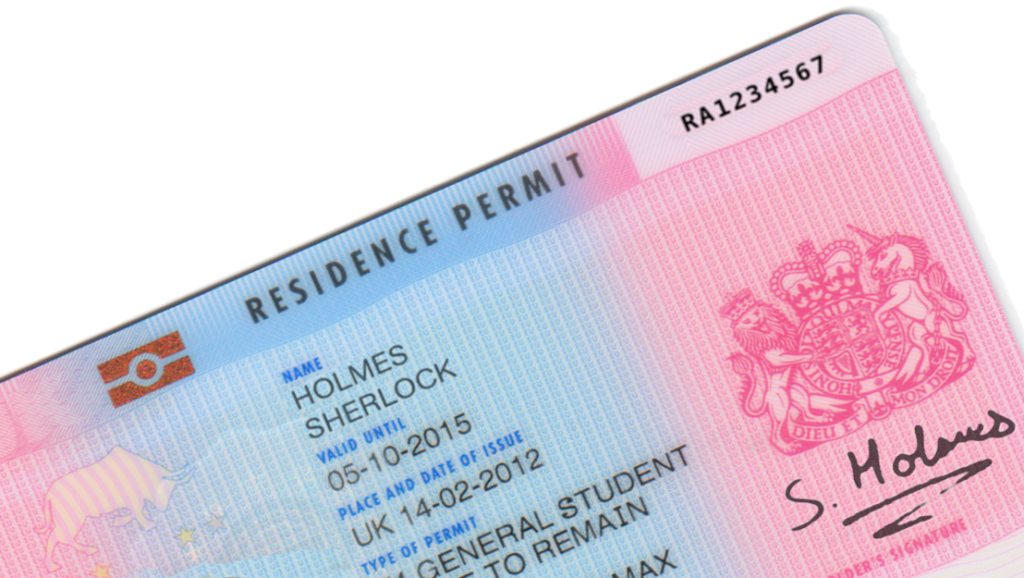
A BRP, short for Biometric Residence Permit, is an official identity document previously issued by the UK Home Office to non-British nationals who received permission to remain in the country for more than six months. The card confirmed an individual’s immigration status and included important personal and biometric information.
The BRP displayed details such as the holder’s full name, date of birth, nationality, visa type, immigration conditions, expiry date, photograph, and fingerprints. It allowed employers, universities, landlords, and public authorities to verify a person’s legal right to stay in the UK quickly and securely.
Who Needs a BRP in the UK?
For many years, a BRP was issued to a wide range of visa holders entering or remaining in the UK. International students, skilled workers, family members joining relatives, and people granted settlement commonly received a BRP after their immigration application had been approved.
Although the UK has largely replaced physical immigration documents with digital records, some individuals still possess a valid BRP or need information relating to previous permits. Knowing whether your immigration status is connected to a physical BRP or an online eVisa helps avoid confusion during employment checks, travel, or renting accommodation.
BRP and the UK’s eVisa Changes
The UK government has introduced the eVisa system as part of its plan to modernise immigration services. Instead of relying on a physical BRP, eligible individuals can now access their immigration status online through a secure UK Visas and Immigration account. This digital approach reduces paperwork while improving security and accessibility.
The move from the BRP to an eVisa does not change a person’s immigration rights. Instead, it changes how those rights are demonstrated. Rather than presenting a plastic card, many people can now generate an online share code that employers, landlords, or educational institutions can use to confirm immigration status.
What Information Does a BRP Contain?
Every BRP contains detailed information that identifies the holder and outlines their immigration permission. The card includes personal details, nationality, date of birth, immigration category, visa conditions, expiry date, and biometric identifiers such as fingerprints and a facial photograph.
These details help ensure that the holder’s identity can be verified whenever necessary. The information also explains whether the individual can work, study, or access certain public services. Even though digital immigration records are replacing physical cards, the information previously shown on a BRP remains an important part of immigration documentation.
How to Collect, Replace, or Update a BRP
When BRPs were routinely issued, successful applicants usually collected their permit after arriving in the UK or from a designated collection point. It was always recommended that cardholders carefully checked every detail on the BRP to ensure the information matched their passport and visa approval.
If a BRP became lost, stolen, damaged, or contained incorrect information, the holder was expected to report the issue promptly and follow the official replacement or correction process. Although many services are now available online, anyone with an existing BRP should continue following current Home Office guidance where applicable.
How to Prove Your UK Immigration Status
The introduction of the eVisa has changed how many people prove their immigration status. Instead of carrying a BRP, eligible visa holders can log into their UKVI account and securely access their immigration record whenever it is needed for official purposes.
Employers, landlords, universities, and government departments can verify immigration status through an online share code provided by the visa holder. This system reduces the need for physical documents while making the verification process faster, more secure, and easier to manage from almost anywhere.
Common BRP Problems and Their Solutions
Some individuals experience difficulties with their BRP, including missing cards, damaged permits, incorrect personal information, or uncertainty about how the transition to an eVisa affects their immigration status. Understanding the correct procedures can prevent delays when applying for work, travelling, or accessing important services.
If your BRP contains inaccurate information, it should be corrected as soon as possible to avoid future complications. Likewise, if you experience issues accessing your online immigration account after moving to an eVisa, seeking official assistance promptly can help ensure your digital immigration record remains accurate and accessible.
Tips for Managing Your Immigration Status
Managing your immigration status responsibly is essential, whether you still hold a BRP or have already switched to an eVisa. Keep your UKVI account information updated, protect your login credentials, and ensure your contact details remain accurate so you can receive important immigration notifications.
It is also sensible to keep copies of important immigration documents and regularly review your digital status before travelling internationally or changing employment. Staying informed about the latest immigration policies helps you remain compliant with UK requirements and reduces the likelihood of unexpected issues in the future.
Conclusion
The BRP has played a significant role in the UK’s immigration system by providing reliable evidence of a person’s right to live, work, and study in the country. Although the introduction of the eVisa marks a major step towards digital immigration management, understanding the purpose and history of the BRP remains valuable for many visa holders.
As immigration services continue to evolve, staying informed about the latest rules and maintaining accurate immigration records is more important than ever. Whether you currently rely on a BRP or have transitioned to an eVisa, understanding your rights and responsibilities will help you manage your immigration status confidently and efficiently.
FAQs
What is a BRP?
A BRP is a Biometric Residence Permit that has been used as official proof of a person’s immigration status in the United Kingdom.
Is a BRP still valid?
Many people now use a UK eVisa, but some existing BRP holders may still need their permit depending on their immigration circumstances and official guidance.
What is the difference between a BRP and an eVisa?
A BRP is a physical immigration card, while an eVisa is a secure digital record that can be accessed online.
Who was issued a BRP?
International students, skilled workers, family visa holders, and many people granted permission to remain in the UK commonly received a BRP.
How can I prove my immigration status?
Eligible individuals can usually prove their immigration status by accessing their UKVI account and generating an online share code.
What should I do if my BRP is lost or damaged?
If your BRP is lost, stolen, or damaged, you should follow the relevant Home Office guidance to report the issue and arrange any necessary replacement or update.
You May Also Read: Ron Weasley