Smoothies have become a staple in modern diets, offering a convenient and nutritious way to consume fruits, vegetables, and superfoods. Whether you’re aiming to boost energy, improve digestion, or simply enjoy a tasty drink, a smoothie maker can transform your kitchen routine. These versatile appliances make it simple to prepare fresh, flavorful blends in minutes, saving time while promoting a healthy lifestyle.
The rise in health-conscious living has pushed smoothie maker into the spotlight. Beyond their ability to blend fruits and vegetables into smooth, creamy textures, they allow users to experiment with protein powders, nut butters, and even frozen ingredients. Smoothie makers are not just about convenience—they are a tool to help achieve fitness goals, maintain balanced nutrition, and make wholesome eating fun. In this guide, we’ll explore the types of smoothie makers, key features, health benefits, recipes, pricing, and top brands, giving you everything you need to choose the perfect model for your kitchen.
Types of Smoothie Makers
Smoothie makers come in several varieties, each catering to different needs. Countertop blenders are the most common, offering powerful motors capable of handling large quantities of fruits, vegetables, and ice. These models are perfect for families or anyone preparing multiple servings at once. Their versatility allows them to double as kitchen workhorses for soups, sauces, and nut butters.
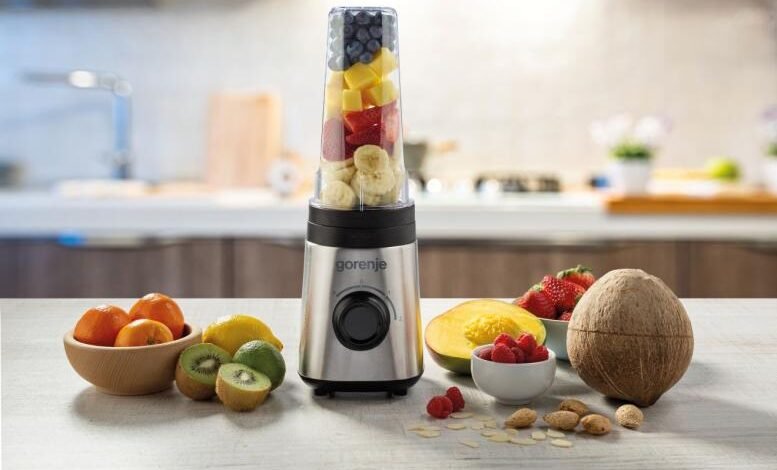
For single-serve convenience, personal or portable smoothie makers are compact, lightweight, and designed for quick blending. They are ideal for gym-goers or busy professionals who need a nutritious drink on the go. These models often come with travel lids, making it easy to blend and drink from the same container.
High-powered blenders stand out for their efficiency and smooth consistency. With motors ranging from 500 watts to over 1,500 watts, they can pulverize tough ingredients like frozen fruits, leafy greens, and seeds effortlessly. On the other hand, standard blenders are adequate for simple fruit-based smoothies but may struggle with harder or frozen ingredients. Specialized smoothie appliances with built-in recipe programs or nutrient-extraction technology are also available, offering enhanced precision and convenience.
Choosing the right type depends on your lifestyle and blending needs. Families may benefit from countertop blenders, while individuals with an on-the-go lifestyle may find personal smoothie makers more practical. High-powered or specialized models are ideal for those seeking professional-level results or experimenting with advanced recipes.
Features to Consider When Choosing a Smoothie Maker
Motor Power and Speed Settings
The motor power of a smoothie maker directly affects its efficiency. Higher wattage motors, typically between 500 and 1,500 watts, provide faster blending and smoother textures. Multiple speed settings allow you to control the consistency of your smoothies, from chunky blends to creamy liquids. Pulse functions are also useful for short bursts of power, preventing over-blending delicate ingredients.
Capacity and Jar Material
Smoothie makers come with various jar sizes, from 300ml personal cups to 2-liter large-capacity jars. Material choices include glass, which is heavier but scratch-resistant, and BPA-free plastic, which is lightweight and more portable. Selecting the right jar depends on your serving needs, storage space, and personal preference for durability or convenience.
Ease of Cleaning and Maintenance
A clean blender is essential for hygiene and longevity. Many smoothie makers feature dishwasher-safe components or self-cleaning functions, making maintenance hassle-free. Regular cleaning prevents residue buildup and ensures your drinks taste fresh every time.
Additional Features
Modern smoothie makers may include pre-programmed smoothie modes, ice-crushing capabilities, and even heating functions for soups. Other considerations include noise level, safety locks, portability, and design aesthetics. Choosing a model with features aligned to your lifestyle enhances usability and satisfaction.
Health and Nutritional Benefits
One of the primary advantages of using a smoothie maker is its ability to help you increase your daily intake of fruits and vegetables. Smoothies can be packed with vitamins, minerals, antioxidants, and fiber, supporting digestion, immunity, and overall health. Incorporating protein powders, seeds, or nut butters can further boost nutritional value, making smoothies a convenient meal replacement or post-workout recovery drink.
Homemade smoothies prepared with a quality smoothie maker offer superior health benefits compared to store-bought options. Many commercial smoothies contain added sugar, preservatives, and artificial flavors. By using fresh, natural ingredients, you control exactly what goes into your drink, optimizing its nutritional content. Additionally, smoothies can be tailored to specific dietary goals, whether you’re aiming for weight management, energy enhancement, or detoxification.
Usage Tips and Recipes
Creating the perfect smoothie begins with balancing liquid, fruit, and optional ingredients. Start with a base of water, milk, or plant-based milk, then add fresh or frozen fruits and vegetables. Include a protein source like yogurt, protein powder, or nut butter for satiety and muscle recovery. For added nutrition, sprinkle in seeds, oats, or superfood powders.
Popular recipes include green smoothies with spinach, kale, and banana; berry blends combining strawberries, blueberries, and raspberries; tropical mixes with mango, pineapple, and coconut; and protein shakes with chocolate or vanilla whey. Blending order matters: softer fruits first, followed by harder ingredients or ice for smoother results. Smoothie makers with pre-programmed settings can take the guesswork out of preparation.
Storing smoothies in airtight containers or freezing individual servings can help you enjoy them later while retaining flavor and nutrients. Serving suggestions include garnishing with fresh fruit, chia seeds, or a drizzle of honey for added appeal.
Price Range and Best Brands
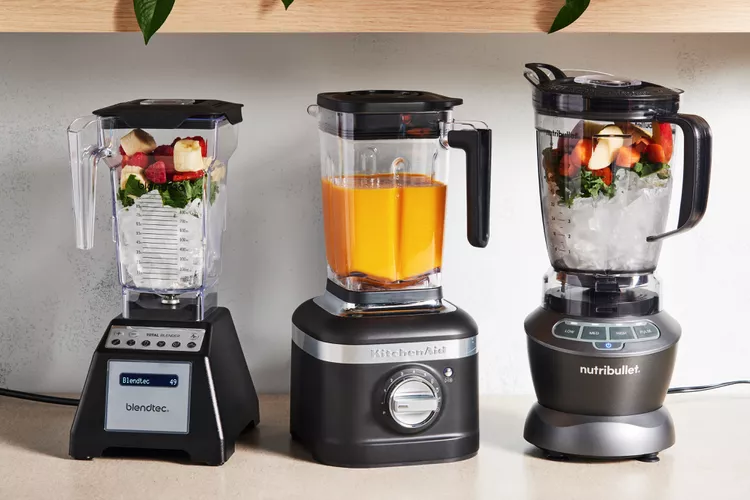
Smoothie makers are available across a wide price range, making it easy to find one that fits your budget. Affordable models under $50–$100 offer basic blending capabilities for beginners. Mid-range options, priced around $100–$200, provide higher power, multiple speed settings, and larger capacity jars. Premium models above $200 often feature high-powered motors, pre-programmed recipes, and advanced self-cleaning functions.
Popular and reliable brands include NutriBullet, Ninja, Philips, Breville, and Oster. These brands are praised for durability, blending performance, and ease of use. Reading customer reviews and expert feedback can help identify models that offer the best combination of value, efficiency, and features.
Comparisons and Reviews
When deciding between a smoothie maker and a standard blender, consider your blending needs. While regular blenders can handle simple smoothies, high-powered smoothie makers produce smoother textures, crush ice efficiently, and often come with features tailored specifically for smoothies.
Comparing top models helps highlight differences in motor strength, speed options, jar capacity, and ease of cleaning. Personal smoothie makers excel in portability but may lack raw power for tough ingredients, while countertop blenders deliver consistent results for larger batches. Customer reviews often highlight user satisfaction, reliability, and overall performance, providing a realistic perspective for prospective buyers.
Conclusion
A smoothie maker is more than just a kitchen appliance; it’s an investment in health, convenience, and culinary creativity. With options ranging from compact personal blenders to high-powered countertop models, there is a smoothie maker to suit every lifestyle and budget.
By understanding the different types, features, and health benefits, you can choose a model that fits your needs perfectly. Whether making a quick breakfast shake, a post-workout protein smoothie, or a nutritious family-sized batch, a smoothie maker makes healthy eating easy and enjoyable. Investing in a quality smoothie maker ensures you can enjoy fresh, delicious, and nutrient-rich blends every day.
FAQs
What is the best type of smoothie maker for beginners?
Personal or mid-range countertop models are ideal for easy use and versatility.
Can a smoothie maker crush ice and frozen fruits effectively?
High-powered models and those with specific ice-crushing functions handle frozen ingredients efficiently.
Are personal smoothie makers as powerful as countertop blenders?
Generally, personal blenders are less powerful but are sufficient for simple smoothies and single servings.
How do I clean and maintain a smoothie maker properly?
Use dishwasher-safe parts, self-cleaning programs, or a mixture of water and soap for regular maintenance.
Can I make protein shakes and meal replacement smoothies with it?
Yes, adding protein powders, yogurt, or nut butters makes nutrient-rich shakes.
What is the average lifespan of a smoothie maker?
Depending on usage and quality, most smoothie makers last 3–7 years.
Are smoothie makers noisy during operation?
Noise levels vary; high-powered models are louder, while portable blenders are quieter.
Can I make nut butter or soups in a smoothie maker?
High-powered models often support making nut butter, soups, and sauces.
What are the most affordable and reliable smoothie maker brands?
NutriBullet, Ninja, Philips, Breville, and Oster are consistently recommended.
Should I choose a BPA-free jar or glass jar for health reasons?
BPA-free plastic is lightweight and safe, while glass is scratch-resistant and durable.
You May Also Read: New Ford Capri 2025