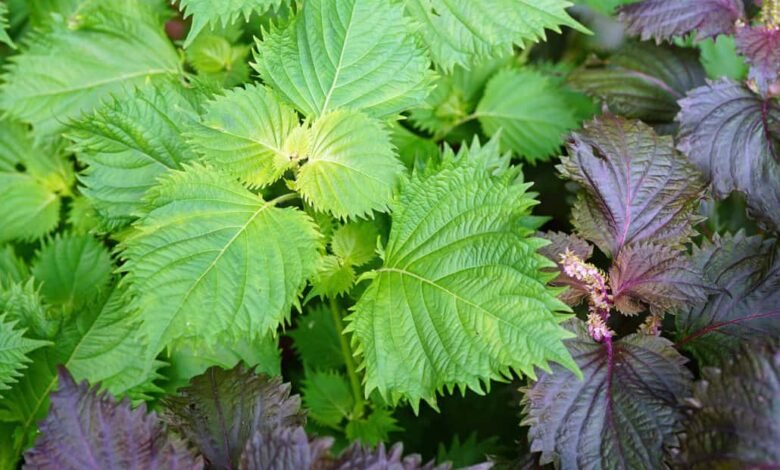
Perilla leaf, a vibrant herb widely used in East Asian cuisine, has gained international recognition for its unique flavour, nutritional profile, and health benefits. Often referred to as shiso in Japan or kkaennip in Korea, this aromatic herb features prominently in salads, sushi, pickles, and wraps. Beyond its culinary applications, perilla leaf has a long history in traditional medicine, revered for its anti-inflammatory and antioxidant properties. Understanding perilla leaf fully requires exploring its culinary versatility, nutritional benefits, and practical tips for growing and using it.
For food enthusiasts, perilla leaf offers a distinct, slightly minty, and anise-like flavour that elevates a wide variety of dishes. In traditional Asian cooking, it is celebrated for its ability to complement proteins, enhance flavour in fermented foods, and serve as a visually appealing garnish. Moreover, modern chefs worldwide are experimenting with perilla in fusion cuisine, incorporating it into dressings, pestos, and cocktails, showcasing its flexibility.
From a health perspective, perilla leaf is packed with essential nutrients, including vitamins, minerals, and omega-3 fatty acids. Its bioactive compounds have been studied for their potential to support heart health, reduce inflammation, and even promote respiratory well-being. This article serves as a comprehensive guide to everything you need to know about perilla leaf—from its origins and types to its nutritional value, culinary uses, and how to grow it at home.
What is Perilla Leaf?
Perilla leaf, belonging to the mint family (Lamiaceae), originates from East Asia and has been cultivated for centuries for both culinary and medicinal purposes. Its botanical name is Perilla frutescens, and it comes in several varieties distinguished by leaf colour, shape, and aroma. The most common types include green perilla, red perilla, and shiso, each offering subtle differences in flavour and usage. Green perilla is often used for fresh wraps and garnishes, while red perilla is popular in pickling and for its vibrant colour.
Historically, perilla leaf has played an integral role in Korean, Japanese, and Chinese cuisines. In Korea, kkaennip leaves are typically marinated or used to wrap rice and meat in ssam dishes. In Japan, shiso leaves accompany sushi, sashimi, or pickled plums, imparting their signature fragrance and mild spiciness. China also utilizes perilla in soups and herbal remedies, highlighting its medicinal properties.
Common names and regional variations can sometimes cause confusion, but they all refer to plants within the same species. Some refer to the herb as wild sesame leaf due to its resemblance to sesame plant foliage. Its cultural and culinary significance has transcended borders, now appearing in global cuisine as a versatile ingredient appreciated for its aroma, flavour, and health benefits.
Nutritional Profile of Perilla Leaf
Perilla leaf is a nutritional powerhouse, rich in vitamins, minerals, and bioactive compounds that provide numerous health benefits. It is particularly abundant in vitamins A and C, which are crucial for maintaining healthy skin, vision, and immune function. The leaves also contain significant amounts of calcium, iron, and potassium, supporting bone health, red blood cell formation, and electrolyte balance.
One of the most notable features of perilla leaf is its omega-3 fatty acid content, particularly alpha-linolenic acid (ALA). Omega-3s are known for their anti-inflammatory properties and cardiovascular benefits, helping to maintain healthy cholesterol levels and reduce the risk of heart disease. Additionally, perilla leaves contain flavonoids and phenolic compounds, which act as antioxidants to combat free radicals and protect the body from oxidative stress.
Compared to other leafy greens, perilla leaf offers a unique blend of nutrients combined with aromatic compounds that enhance both flavour and health. Its low calorie content makes it an ideal addition to salads, wraps, and teas without adding excess energy, while still delivering a concentrated dose of essential nutrients. Regular inclusion of perilla in the diet can contribute to overall wellness, making it both a functional and culinary herb.
Health Benefits of Perilla Leaf
Perilla leaf has long been valued for its medicinal properties, with traditional use spanning centuries in East Asia. Modern research has supported many of these benefits, highlighting its anti-inflammatory, antioxidant, and antimicrobial properties. Regular consumption of perilla leaf may help reduce inflammation in the body, which is linked to chronic conditions such as arthritis, cardiovascular disease, and metabolic disorders.
Cardiovascular health is another area where perilla leaf excels. Its omega-3 fatty acids and polyphenols can help regulate cholesterol levels, lower blood pressure, and improve overall heart function. Studies have indicated that incorporating perilla into the diet may reduce triglyceride levels and support healthy blood lipid profiles, making it a heart-friendly herb.
Perilla is also recognized for its potential respiratory benefits. Traditional medicine uses the leaves to alleviate symptoms of asthma, coughs, and seasonal allergies due to their anti-inflammatory and bronchodilatory properties. Additionally, the herb may support immune system function, enhance digestion, and offer mild antimicrobial effects, further solidifying its role as a functional food.
Culinary Uses of Perilla Leaf
Perilla leaf is celebrated for its versatility in the kitchen. In Korean cuisine, it is commonly used as a wrap for rice and meat, known as ssam, or marinated in soy sauce and garlic for side dishes. In Japanese cooking, shiso leaves are often served alongside sushi, sashimi, and pickled plums, providing both flavour and visual appeal. The herb can also be shredded into salads, added to soups, or infused into teas.
Fresh, dried, and powdered perilla leaf each offer different culinary applications. Fresh leaves maintain their aromatic quality and crisp texture, ideal for garnishing and wrapping. Dried perilla leaves are commonly used as seasonings or for infusing soups and broths, while powdered perilla adds a nutty, aromatic touch to sauces, dressings, and baked goods.
Modern fusion cuisine has embraced perilla leaf as well. Chefs incorporate it into pestos, infused oils, cocktails, and even desserts, experimenting with its unique flavour profile. The herb pairs well with seafood, poultry, tofu, rice, and noodles, making it highly adaptable in diverse recipes and cuisines.
How to Grow and Harvest Perilla Leaf
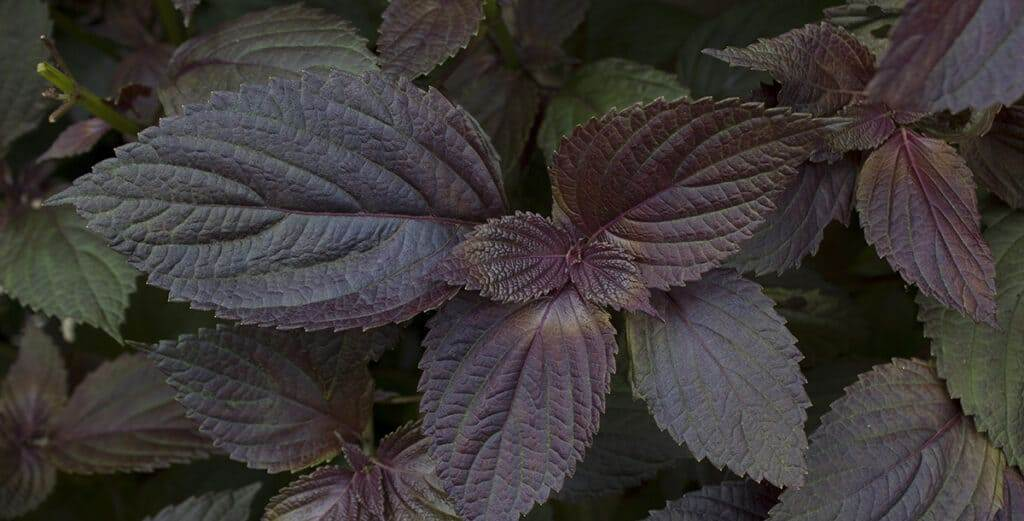
Growing perilla leaf at home is relatively straightforward. The herb prefers well-draining soil, moderate sunlight, and warm temperatures. It can be grown from seeds or seedlings, either in garden beds or containers, making it accessible for small-space gardeners. Regular watering and occasional pruning encourage bushier growth and higher yields.
Propagation is simple, as perilla can be grown from cuttings or seeds sown directly in soil. The plant thrives in slightly acidic to neutral soil and benefits from organic fertilizers to boost nutrient content. Harvesting is best done when the leaves are fully developed but still tender, as older leaves may become tough and less flavorful.
Storage and preservation are important to maintain perilla’s freshness and aroma. Fresh leaves can be stored in the refrigerator wrapped in damp paper towels, while drying or freezing allows for long-term use. Proper harvesting and storage ensure that the nutritional and culinary benefits are preserved, making it a versatile herb available year-round.
Side Effects and Precautions
While perilla leaf is generally safe for most people, it may cause allergic reactions in some individuals, particularly those sensitive to plants in the mint family. Mild digestive discomfort has been reported in rare cases. Consuming excessive amounts may lead to unwanted side effects due to its bioactive compounds.
Individuals taking blood-thinning medications or with chronic health conditions should consult a healthcare professional before significantly increasing perilla intake. Pregnant or breastfeeding women are advised to use it in moderation and seek medical advice. Overall, when consumed responsibly and in typical culinary amounts, perilla leaf is safe and beneficial for most people.
Conclusion
Perilla leaf is a remarkable herb, valued for its vibrant flavour, impressive nutritional profile, and extensive health benefits. Whether used in traditional Korean and Japanese dishes, modern fusion cuisine, or as a functional herb in teas and supplements, it offers versatility that appeals to a wide range of culinary and wellness enthusiasts. Growing perilla at home further enhances accessibility, allowing fresh leaves to be enjoyed year-round.
Incorporating perilla leaf into your diet not only elevates the taste of meals but also contributes to overall well-being. From heart and immune support to anti-inflammatory and antioxidant effects, the herb is a functional food with centuries of cultural and medicinal significance. With proper harvesting, storage, and mindful consumption, perilla leaf is an invaluable addition to any kitchen or herbal collection.
FAQs About Perilla Leaf
What does perilla leaf taste like?
It has a unique flavour that is slightly minty, earthy, and anise-like, with subtle citrusy notes depending on the variety.
Can perilla leaf be eaten raw or cooked?
Yes, it can be used fresh in wraps and salads or cooked in soups, stir-fries, and pickled dishes.
What are the different types of perilla leaf available?
Common types include green perilla, red perilla, and Japanese shiso, each with distinctive flavour and colour.
How should perilla leaf be stored for maximum freshness?
Wrap fresh leaves in damp paper towels and refrigerate, or dry/freeze them for long-term storage.
Are there any side effects of consuming perilla leaf?
It is generally safe, but excessive consumption or allergies may cause mild digestive discomfort or reactions in sensitive individuals.
How is perilla leaf used in traditional Asian medicine?
It has been used to relieve respiratory issues, inflammation, digestive problems, and allergies.
Can perilla leaf be grown at home easily?
Yes, it grows well in containers or garden beds with well-draining soil and moderate sunlight.
Does perilla leaf have any weight loss benefits?
While not a direct weight loss aid, its low-calorie content and nutrient density make it a healthy addition to a balanced diet.
You May Also Read: Melton’s Restaurant Menu