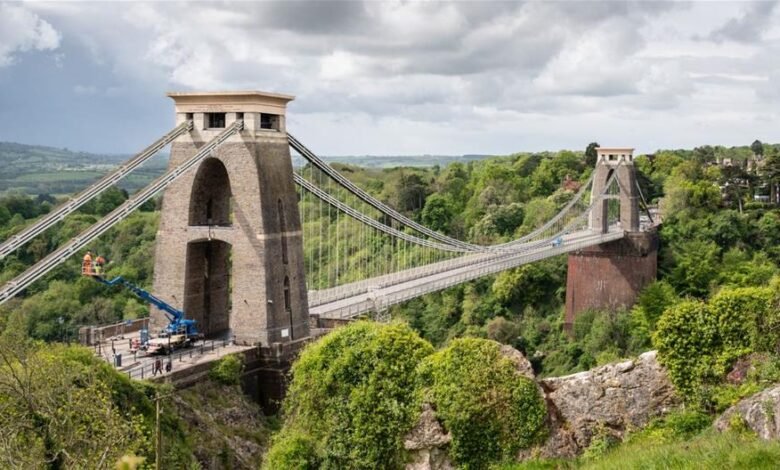
The Clifton Suspension Bridge Toll is not only an architectural icon of Bristol but also a vital transport link across the Avon Gorge. Designed by Isambard Kingdom Brunel, the bridge attracts millions of visitors each year while continuing to serve everyday road traffic. Because of its age, historical value, and unique structure, the bridge requires constant care and maintenance. This is where the Clifton Suspension Bridge Toll plays an essential role.
Many drivers and visitors search for information about the toll before crossing, especially those unfamiliar with the area. Questions such as how much the toll costs, who needs to pay, and what payment methods are accepted are extremely common. Unlike modern toll roads, the Clifton Suspension Bridge operates under a heritage-focused system designed to balance accessibility with preservation.
Understanding how the toll works helps drivers avoid confusion and ensures a smooth crossing. Whether you are a local commuter, a tourist hiring a car, or a first-time visitor to Bristol, knowing the rules of the Clifton Suspension Bridge toll will make your journey easier while supporting the upkeep of one of Britain’s most famous landmarks.
What Is the Clifton Suspension Bridge Toll?
The Clifton Suspension Bridge toll is a small mandatory charge applied to vehicles crossing the bridge. It does not apply to pedestrians or cyclists, who are free to cross at no cost. The toll exists solely to fund the maintenance, safety inspections, and daily operation of the bridge, which receives no regular government funding.
This toll is charged per vehicle crossing, meaning drivers pay each time they cross the bridge rather than for a return journey. The system is simple and transparent, ensuring fairness for all users. Unlike large-scale toll roads, the Clifton Suspension Bridge toll booth is staffed, providing a personal and historic touch that aligns with the bridge’s heritage status.
Importantly, the toll is not a profit-driven charge. Every contribution goes back into preserving the structure, maintaining road safety, supporting staff, and keeping the bridge open to the public. Without the toll, the long-term survival of this historic crossing would be at risk, making it a crucial part of the bridge’s continued operation.
Clifton Suspension Bridge Toll Charges
The Clifton Suspension Bridge toll charge is intentionally kept low to remain affordable for daily users and tourists alike. Cars and vans are required to pay a fixed amount per crossing, regardless of the distance traveled. This flat-rate system ensures simplicity and prevents confusion for first-time drivers.
Motorcycles are usually charged at a lower rate, reflecting their lighter impact on the bridge’s structure. Bicycles, however, are completely exempt from toll charges, encouraging eco-friendly travel and tourism. Pedestrians can also cross freely, making the bridge accessible to everyone regardless of transport choice.
The toll is charged each time a vehicle crosses the bridge, even if returning shortly afterward. While this may surprise some visitors, it reflects the cost associated with every vehicle’s use of the bridge. The modest fee ensures fairness while contributing directly to the bridge’s preservation and safety.
How to Pay the Clifton Suspension Bridge Toll
Paying the Clifton Suspension Bridge toll is straightforward and designed to accommodate modern travel needs. Drivers pay the toll at the toll booth located at the bridge entrance. Staff are present to assist, answer questions, and ensure traffic flows smoothly, even during busy periods.
Multiple payment methods are accepted to make the process convenient. Contactless card payments are widely used, and cash is also accepted. This flexibility is especially helpful for tourists and international visitors who may not carry local currency at all times. Clear signage ensures drivers know when and where to pay.
If a driver is unable to pay at the time of crossing, clear procedures are in place to resolve the situation. However, it is strongly recommended to be prepared to pay upon arrival to avoid delays or complications. The system is designed to be efficient, friendly, and easy to navigate, even for first-time visitors.
Clifton Suspension Bridge Toll Operating Hours
The Clifton Suspension Bridge toll applies during vehicle operating hours, which may differ slightly from pedestrian access times. Vehicles are allowed to cross the bridge daily, though hours can vary depending on maintenance schedules, events, or weather conditions.
Pedestrian access is generally more flexible, often extending beyond vehicle crossing times. This allows visitors to enjoy the bridge on foot even when vehicle access is restricted. Seasonal changes and public holidays may also affect operating hours, so checking official updates before traveling is always advisable.
Occasionally, the bridge may close temporarily for essential maintenance or safety inspections. These closures are carefully planned to minimize disruption while ensuring the bridge remains safe for all users. Understanding these operating hours helps drivers plan alternative routes if necessary.
Who Is Exempt from the Clifton Suspension Bridge Toll?
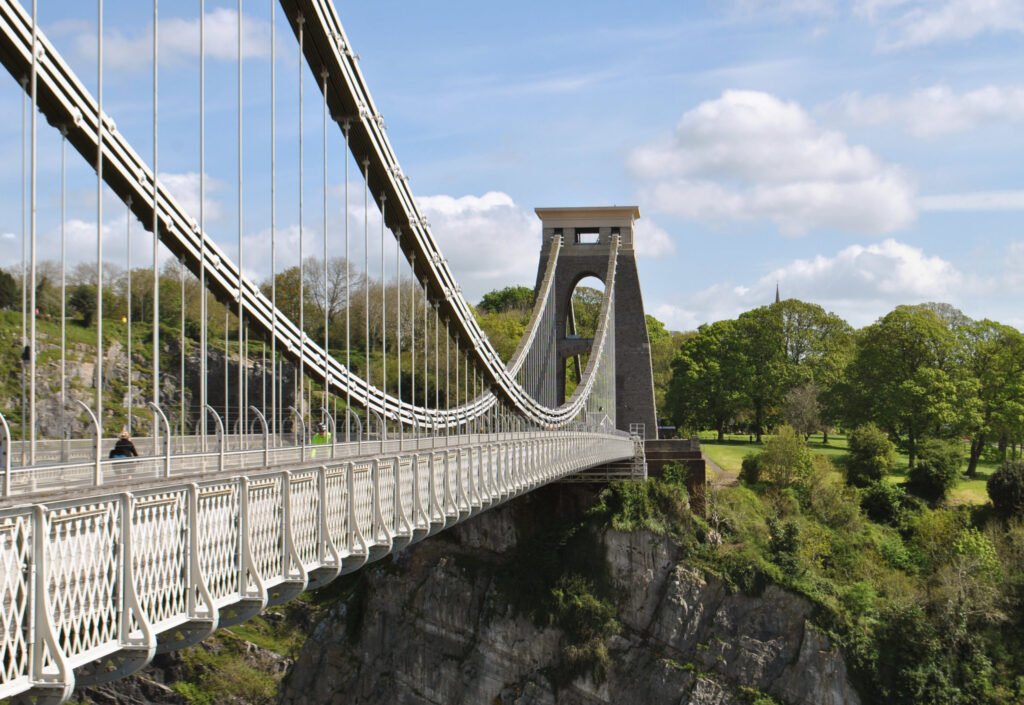
Not everyone is required to pay the Clifton Suspension Bridge toll. Pedestrians and cyclists are fully exempt, reinforcing the bridge’s role as a public walkway and tourist attraction. Emergency vehicles, including ambulances, fire engines, and police vehicles, are also exempt to ensure uninterrupted public services.
In certain cases, specific service vehicles or authorized personnel may receive exemptions as part of operational requirements. These exemptions are carefully regulated to maintain fairness while supporting essential services.
Local residents do not typically receive automatic exemptions, as the toll applies equally to all vehicle users. This ensures transparency and avoids complexity in toll enforcement. The clear exemption rules make it easy for visitors to understand whether they are required to pay before crossing.
Why the Clifton Suspension Bridge Toll Exists
The Clifton Suspension Bridge toll is essential for the long-term survival of the bridge. As a historic structure, it requires specialized maintenance, frequent inspections, and skilled staff to remain safe for modern traffic. Unlike newer bridges, it does not benefit from large-scale public funding.
Toll revenue supports structural repairs, repainting, road surface upkeep, and safety improvements. It also funds staffing, visitor management, and educational initiatives that help people understand the bridge’s history and significance. Without the toll, maintaining such a complex structure would be extremely difficult.
By paying the toll, drivers actively contribute to preserving an important piece of British engineering heritage. Each crossing helps ensure the bridge remains open, safe, and accessible for future generations, making the toll a meaningful investment rather than a simple fee.
Clifton Suspension Bridge Toll Tips for Drivers
Drivers planning to cross the bridge can benefit from a few simple tips. Crossing during off-peak hours can help avoid queues, especially during weekends and tourist seasons. Early mornings and late evenings are often quieter and provide smoother traffic flow.
It’s also wise to consider alternative routes if you are not specifically visiting the bridge. Nearby crossings may be more suitable during busy times. Parking options near Clifton Village can be limited, so planning ahead is recommended if you intend to stop and explore the area.
Always ensure you are prepared to pay the toll and follow signage carefully. Respecting speed limits and safety rules protects both the bridge and other users. These small steps ensure a stress-free crossing while supporting the bridge’s preservation.
Common Myths About the Clifton Suspension Bridge Toll
One common myth is that the Clifton Suspension Bridge toll is optional. In reality, it is mandatory for all vehicles unless exempt. Another misconception is that tourists pay more than locals, which is untrue—the toll is the same for everyone.
Some believe the toll is increasing frequently, but changes are rare and carefully considered. Others think the toll is a modern addition, when in fact tolls have historically played a role in maintaining the bridge.
Understanding the facts helps visitors appreciate the toll’s purpose and avoid misinformation. The system is simple, fair, and essential to the bridge’s continued operation.
Conclusion
The Clifton Suspension Bridge toll is a small but vital contribution to preserving one of the UK’s most iconic landmarks. By understanding the charges, payment methods, operating hours, and exemptions, drivers can cross with confidence and respect for the bridge’s heritage.
Whether you are commuting, sightseeing, or exploring Bristol by car, paying the toll supports safety, conservation, and accessibility. It ensures that this historic structure continues to inspire visitors and serve the city for generations to come.
Frequently Asked Questions (FAQs)
How much is the Clifton Suspension Bridge toll?
The toll is a fixed, low-cost charge per vehicle crossing.
Do pedestrians have to pay the toll?
No, pedestrians can cross for free at all times during opening hours.
Are bicycles charged at Clifton Suspension Bridge?
No, cyclists are exempt from toll charges.
What payment methods are accepted at the toll booth?
Cash and contactless card payments are accepted.
Is the toll charged both ways?
Yes, the toll applies each time a vehicle crosses the bridge.
What happens if you don’t pay the toll?
Drivers are expected to pay at the time of crossing; procedures exist for exceptional circumstances.
Are there free alternatives to cross the Avon Gorge?
Yes, alternative road routes are available, though they may be less direct.
You May Also Read: Clifton Suspension Bridge Tickets