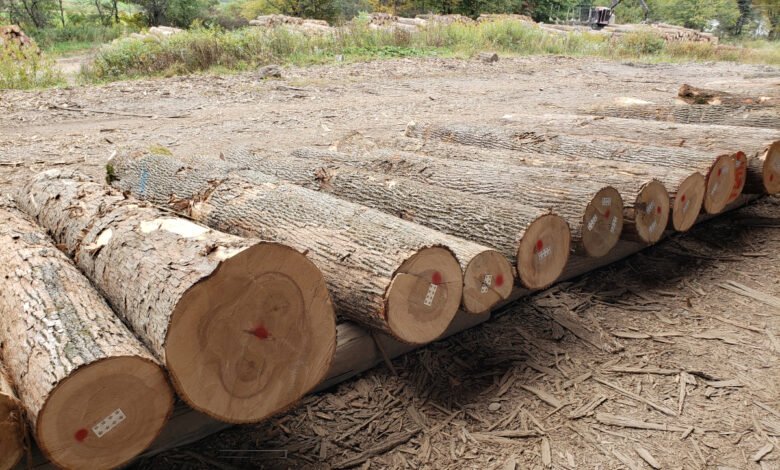
American Ash is one of North America’s most versatile and valued tree species, known for both its durable wood and ecological importance. Belonging to the genus Fraxinus, American Ash encompasses several species, including white ash (Fraxinus americana) and green ash (Fraxinus pennsylvanica), each prized for its unique properties. These trees have long been integral to the continent’s forests, offering not only timber for furniture, flooring, and tools but also providing critical ecological benefits such as carbon sequestration, shade, and habitat for wildlife. Understanding American Ash requires a look at its physical characteristics, applications, growth requirements, and the challenges it faces in the modern era.
The importance of American Ash extends beyond commercial timber. Its wood is dense yet flexible, making it ideal for crafting furniture, sporting equipment, and tool handles. Additionally, ash trees contribute significantly to urban and suburban landscaping, offering shade, aesthetic appeal, and windbreak benefits. With the rise of sustainable forestry and environmental awareness, the responsible use and preservation of American Ash have become increasingly critical, particularly as threats like invasive pests and climate change continue to impact populations.
This comprehensive guide explores every facet of American Ash, from its historical significance and natural distribution to its physical properties, cultivation practices, and contemporary uses. It also examines the environmental and economic impact of these trees, providing readers with a full understanding of why American Ash remains vital in North American forestry, industry, and landscaping. By combining ecological insights with practical applications, this article offers a complete resource for enthusiasts, professionals, and researchers alike.
History and Distribution
American Ash has a rich history intertwined with the development of North American forests and human industry. Native to much of the eastern and central United States, as well as parts of Canada, the species thrives in a variety of climates and soils, ranging from rich river valleys to upland areas. White ash, the most commonly utilized species, is particularly abundant in hardwood forests, while green ash is more adaptable to urban environments and wetter soils. Historically, these trees have been valued for their size, straight growth patterns, and robust wood, making them ideal for traditional tools, furniture, and construction materials.
Throughout the 18th and 19th centuries, American Ash played a pivotal role in colonial and early American industry. Its wood was commonly used for wagon wheels, baseball bats, and hand tools due to its combination of strength and flexibility. Early furniture makers prized ash for its smooth grain and ease of finishing, which allowed for both functional and decorative creations. In addition to its industrial value, ash trees were culturally significant, often planted as shade trees in towns and around homes, contributing to the aesthetic development of landscapes.
Today, American Ash continues to be widely distributed across its native range, though populations face challenges from invasive pests such as the emerald ash borer (Agrilus planipennis), which has decimated ash populations in many areas. Conservation and reforestation efforts have become critical to ensure the continued presence of these trees. Understanding the historical distribution and significance of American Ash not only highlights its enduring value but also underscores the need for sustainable management practices to preserve this iconic North American species.
Physical and Wood Properties
American Ash trees are remarkable for their combination of height, structural integrity, and adaptability. Mature trees typically reach heights of 50 to 80 feet, with a straight trunk and a rounded crown of pinnate leaves. The bark is often gray and furrowed, providing a rugged texture, while the leaves are compound with multiple leaflets, contributing to the tree’s distinctive appearance. White ash trees are particularly known for their light-colored wood and strong, straight grain, which make them highly desirable for woodworking and industrial applications.
The wood of American Ash is dense yet flexible, combining strength with shock resistance—a combination that is rare among hardwoods. These properties make it ideal for a range of products, from furniture and cabinetry to sports equipment such as baseball bats and hockey sticks. Ash wood also takes stains and finishes exceptionally well, enhancing its aesthetic appeal for decorative purposes. Compared to other ash species, American Ash tends to have a lighter hue and finer grain, which contributes to its popularity in both functional and ornamental woodworking.
Durability is another hallmark of American Ash. While not naturally as decay-resistant as some tropical hardwoods, it performs well when properly treated, particularly in indoor environments or applications where it is protected from excessive moisture. Its workability makes it a favorite among carpenters, furniture makers, and craftsmen, offering a balance between strength, flexibility, and beauty. Understanding the physical and wood properties of American Ash provides a foundation for appreciating its diverse applications and enduring value in both traditional and modern contexts.
Applications and Uses
American Ash’s versatile wood has made it a staple in numerous industries. In furniture making, it is prized for its strength, smooth finish, and ability to take a variety of stains and finishes, making it ideal for tables, chairs, cabinets, and flooring. Its shock-resistant nature also makes it the wood of choice for sports equipment, such as baseball bats, lacrosse sticks, and tool handles, where both durability and resilience are crucial. The wood’s flexibility and aesthetic appeal have led to continued use in specialty woodworking projects and high-end interior design.
In landscaping and urban planning, American Ash trees offer shade, wind protection, and aesthetic beauty. Their large canopies provide relief in urban heat islands, while their relatively fast growth and adaptability make them suitable for parks, streets, and residential areas. Additionally, American Ash contributes to ecological health by supporting wildlife, including birds, insects, and mammals that rely on its seeds and foliage for food and shelter.
Industrial applications of American Ash are expanding with advances in material science. The wood can be laminated, bent, and engineered for use in flooring, paneling, and structural components. Emerging trends also explore the use of ash in sustainable furniture, eco-friendly construction, and composite materials, highlighting its continued relevance. The wide-ranging applications of American Ash illustrate its adaptability, economic importance, and enduring role in North American forestry and industry.
Cultivation and Care
Growing and maintaining American Ash requires attention to soil, climate, and proper management practices. These trees thrive in well-drained soils with adequate moisture but can tolerate a range of conditions, including clay, loam, and sandy soils. Full sun exposure promotes healthy growth, while proper spacing allows for a strong canopy and reduces competition for nutrients. Regular monitoring and care are essential, especially for urban plantings where soil compaction and pollution can stress the trees.
Diseases and pests pose significant challenges for American Ash. The emerald ash borer, in particular, has devastated populations across North America, necessitating proactive measures such as chemical treatments, biological control, and planting resistant varieties. Other issues include fungal infections and general stress from environmental conditions. Routine inspection, pruning, and soil management help maintain tree health and longevity.
Sustainable cultivation is critical to ensure that American Ash continues to provide ecological and economic benefits. Responsible forestry practices, including selective harvesting, replanting, and habitat preservation, support healthy populations while meeting industrial demand. Proper care and management not only prolong the life of individual trees but also contribute to forest resilience and biodiversity, reinforcing the importance of American Ash in both natural and human-managed landscapes.
Environmental and Economic Impact

American Ash plays a vital role in ecosystems, providing habitat, supporting biodiversity, and contributing to carbon sequestration. Its presence enhances soil stability and offers food sources for wildlife, making it integral to healthy forest systems. Urban plantings also help mitigate climate impacts, improve air quality, and provide shade and cooling in city environments. From an environmental perspective, maintaining healthy American Ash populations is critical for ecosystem balance and resilience.
Economically, American Ash is highly valuable. Its wood supports the furniture, sporting goods, and construction industries, generating income for timber producers and craftsmen alike. The market demand for ash products has prompted sustainable forestry initiatives and research into disease-resistant cultivars to ensure a stable supply. Challenges such as invasive pests and climate change have emphasized the need for responsible management and strategic planning to protect this important resource.
Sustainable harvesting, conservation efforts, and reforestation projects help balance economic utilization with environmental preservation. By integrating ecological stewardship with commercial practices, stakeholders can ensure that American Ash continues to provide both financial and ecological benefits for generations to come.
Future Prospects
The future of American Ash is closely linked to innovation, conservation, and sustainable management. Advances in wood treatment, engineered timber, and furniture design are expanding its applications, making it competitive with alternative hardwoods. Research into disease-resistant varieties offers hope for restoring populations affected by invasive pests, while breeding programs aim to improve growth rates, wood quality, and resilience.
Urban forestry and landscaping are also expected to increase demand for American Ash, particularly as cities seek shade, cooling, and ecological benefits. Innovative approaches, such as hybrid plantings and integration with green infrastructure, may further enhance its role in urban environments. Additionally, emerging industries and technological applications, such as engineered wood products and sustainable construction materials, may open new markets and uses for this versatile species.
Long-term trends suggest that American Ash will continue to play a significant role in both ecological and industrial contexts, provided that responsible management and research initiatives are maintained. Its adaptability, aesthetic appeal, and functional wood properties ensure that it remains a vital component of North American forests and industries.
Conclusion
American Ash is a cornerstone of North American forestry, valued for its durable wood, ecological benefits, and versatility. From historical uses in furniture and tools to contemporary applications in landscaping, construction, and emerging technologies, it continues to offer immense value. Understanding its physical characteristics, growth requirements, and environmental significance underscores the importance of sustainable management and conservation.
As challenges such as invasive pests and climate change threaten populations, proactive cultivation, disease management, and innovative applications will be essential. By balancing industrial use with ecological stewardship, American Ash can continue to thrive, supporting biodiversity, human needs, and economic growth for years to come. Its enduring presence reflects both natural resilience and human ingenuity in utilizing this remarkable species.
Frequently Asked Questions (FAQs)
What is American Ash and why is it important?
American Ash is a North American tree species valued for its durable wood, ecological role, and versatility in furniture, landscaping, and construction.
Where does American Ash naturally grow?
It grows primarily in the eastern and central United States and parts of Canada, thriving in a variety of soil and climate conditions.
What are the main characteristics of American Ash wood?
The wood is dense, strong, flexible, and takes finishes well, making it ideal for furniture, sporting goods, and structural applications.
How is American Ash used in furniture and construction?
It is used for tables, chairs, cabinets, flooring, tool handles, and sports equipment due to its strength, workability, and aesthetic appeal.
How can American Ash trees be planted and maintained?
They require well-drained soil, adequate sun, proper spacing, routine care, and monitoring for pests and diseases.
What are common diseases and pests affecting American Ash?
The emerald ash borer is the most significant threat, along with fungal infections and environmental stressors.
Is American Ash sustainable and environmentally friendly?
With responsible harvesting, reforestation, and conservation, it can be sustainably managed to balance industrial and ecological needs.
How does American Ash compare with other ash species?
It generally has lighter wood, finer grain, and higher workability compared to some other ash species, such as European ash.
What are future trends in American Ash utilization?
Emerging trends include engineered wood products, disease-resistant varieties, urban landscaping, and sustainable furniture applications.
You May Also Read: Eriste