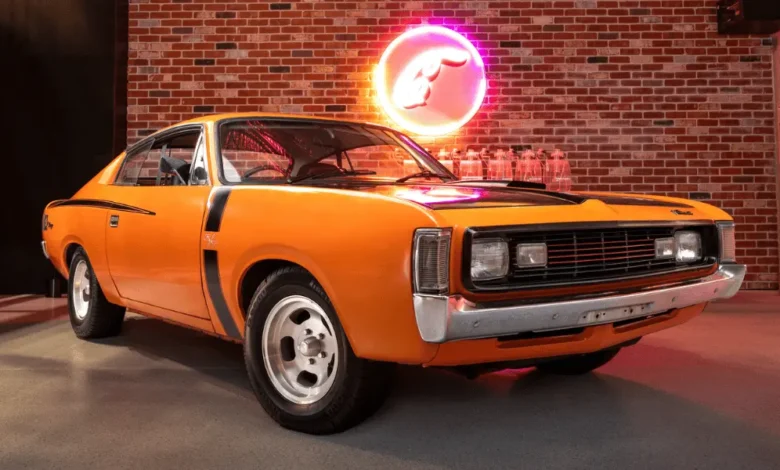
The Chrysler Valiant Charger is an enduring symbol of Australia’s muscle car era, celebrated for its bold design, high performance, and cultural impact. Launched in the late 1960s, the Charger became a standout among Australian car enthusiasts for combining American-style muscle with uniquely Australian engineering and styling. Its compact, aggressive body, paired with powerful engine options, made it a favorite for both street driving and racing circuits. Over the years, the Valiant Charger has transitioned from a performance vehicle to a collector’s gem, symbolizing the golden age of Australian automotive innovation.
What sets the Valiant Charger apart is its ability to balance aesthetics, performance, and affordability. Unlike many muscle cars of its era, it offered a practical four-seater configuration without sacrificing power or driving excitement. Enthusiasts appreciated its versatility: the car could serve as a daily driver, a weekend cruiser, or a competitive racing machine. Its influence extends beyond the garage, having become a cultural icon featured in movies, motorsport events, and car shows across Australia.
This comprehensive guide explores the Chrysler Valiant Charger from multiple perspectives: its historical context, design innovations, performance capabilities, notable models, restoration tips, and cultural significance. By delving into these areas, the article provides a detailed understanding of why the Valiant Charger remains relevant decades after its production ended. Whether you are a collector, enthusiast, or curious reader, this guide highlights the features, history, and legacy of one of Australia’s most beloved muscle cars.
History and Evolution
The Chrysler Valiant Charger made its debut in 1969, during a period of intense competition in the Australian automotive market. Chrysler Valiant Charger Australia sought to produce a car that could compete with Holden Monaro and Ford Falcon GT while carving out a unique identity. The Valiant Charger was derived from the Chrysler Valiant platform, modified to create a shorter, sportier two-door coupe. Its debut coincided with the rising popularity of muscle cars, and it quickly captured attention for its sleek profile and performance potential.
Key milestones include the introduction of the Charger R/T (Road/Track) in 1971, which featured the legendary 265 Hemi six-cylinder engine. This engine became the heart of the car’s reputation for speed and agility. The Charger’s production continued until 1978, with multiple updates and revisions enhancing its styling, comfort, and performance. Design tweaks over the years included new grille designs, updated tail lights, and minor body modifications to improve aerodynamics.
The Charger was more than just a car—it became a cultural phenomenon. Its racing pedigree grew through participation in Australian motorsport events, including touring car competitions, where its lightweight body and powerful engine proved competitive. The combination of performance, styling, and cultural relevance cemented the Valiant Charger as an icon. Today, collectors and enthusiasts view it as one of the most recognizable symbols of Australian automotive history, with classic models fetching high prices at auctions and car shows.
Design and Features
The design of the Chrysler Valiant Charger was a perfect blend of aggression and elegance. Its compact coupe body featured sharp lines, flared wheel arches, and a long hood that emphasized power and speed. Front-end styling included a split grille and distinctive headlights, while rear styling often showcased sporty tail lights and a subtle spoiler. The R/T models introduced additional design flourishes such as side stripes, bold badging, and optional racing stripes that further reinforced its muscle car identity.
Inside, the Valiant Charger offered a comfortable yet sporty cabin. Bucket seats and a driver-focused dashboard enhanced the driving experience, while gauges and controls were ergonomically arranged for performance driving. High-end trims included features like woodgrain accents, upgraded upholstery, and enhanced sound systems. Though designed for speed, the Charger maintained a level of practicality, with rear seating and a reasonable trunk, making it suitable for everyday use as well as track events.
Safety and structural design were also notable for the era. Chrysler Valiant Charger engineers reinforced the chassis and suspension to handle high speeds and cornering loads, providing a stable driving platform. Compared to contemporary muscle cars, the Valiant Charger offered superior handling, particularly in urban or suburban road conditions, thanks to its balanced weight distribution and suspension tuning. These combined design elements made the Valiant Charger not just visually striking, but a genuinely enjoyable car to drive.
Engine, Performance, and Specifications
The heart of the Chrysler Valiant Charger was its engine lineup. Early models featured the 245 and 265 cubic inch six-cylinder engines, while later models offered the 318 and 340 cubic inch V8s. The Hemi six-cylinder engine, in particular, became legendary for its combination of lightweight design, high compression, and remarkable acceleration. Performance metrics for these engines included a top speed exceeding 120 mph and acceleration from 0 to 60 mph in under 8 seconds for the R/T variants—impressive for its time.
Transmission options included three-speed manual, four-speed manual, and three-speed automatic, providing flexibility for enthusiasts seeking either performance or convenience. The Charger’s suspension system utilized coil springs at the front and leaf springs at the rear, tuned to balance comfort and handling. Steering and braking systems were upgraded in later models to accommodate the car’s increased performance, ensuring that drivers had precise control at high speeds.
The driving experience of the Valiant Charger was one of confidence and excitement. Its lightweight body and powerful engine allowed for rapid acceleration, while the suspension and steering provided agility in cornering. Many enthusiasts considered it more nimble than heavier muscle cars of the era, particularly when navigating tight Australian roads. The combination of speed, handling, and responsive control solidified the Charger’s reputation as a capable and thrilling vehicle for both street and track driving.
Popular Models and Variants

Several models of the Chrysler Valiant Charger became highly sought after by collectors. The Charger R/T is the most iconic, featuring the Hemi six-cylinder engine, performance suspension, and distinctive racing-inspired styling. Other notable variants include the XL and SE editions, which offered luxury touches, upgraded interiors, and optional V8 engines for greater performance. Limited edition models, such as the Charger 770, combined luxury and sport features, appealing to a broader market.
Rare racing versions and high-performance builds, sometimes customized by Chrysler Valiant Charger or private owners, also hold significant collector value. These cars were often used in touring car events, where lightweight construction and powerful engines gave them an advantage. Differences in model trims, engine specifications, and production numbers contribute to the Valiant Charger’s enduring appeal in the collector market, with rarer models commanding premium prices.
The variety of models ensures that the Valiant Charger caters to multiple audiences: purists seek original R/T variants, luxury enthusiasts favor the SE and 770 editions, and racers appreciate the Hemi six-cylinder performance. This diversity contributes to the Charger’s lasting popularity and relevance among classic car collectors and muscle car enthusiasts.
Restoration and Maintenance
Restoring a Chrysler Valiant Charger requires attention to detail, patience, and access to parts. Common challenges include rust prevention, sourcing original or compatible engine components, and refurbishing the interior to period specifications. Body panels, trim pieces, and mechanical components may require replacement or custom fabrication due to the car’s age. Restoration enthusiasts often collaborate through clubs, online forums, and classic car networks to locate rare parts and share knowledge.
Maintenance guidelines emphasize regular checks of the engine, transmission, brakes, and suspension. Vintage cars like the Charger require careful monitoring to prevent wear-related issues, including leaks, corrosion, and component fatigue. Regular cleaning, lubrication, and mechanical servicing ensure the vehicle remains reliable, whether for occasional drives, display at car shows, or active participation in motorsport events.
Community support is a key resource for Valiant Charger owners. Australian car clubs, classic car expos, and online marketplaces provide access to parts, professional restoration services, and technical advice. By following best practices for restoration and maintenance, enthusiasts can preserve the car’s originality, performance, and value, ensuring that the legacy of the Chrysler Valiant Charger continues for future generations.
Cultural Impact and Legacy
The Chrysler Valiant Charger occupies a special place in Australian car culture. Its bold design and performance capabilities earned it a reputation as a quintessential muscle car, celebrated in magazines, television, and film. The Charger also enjoyed success in motorsport, including touring car competitions, where its lightweight design and powerful engines made it a formidable competitor.
Beyond the track, the Charger influenced automotive trends in Australia, inspiring designs that combined performance with practicality. It became a symbol of aspiration, freedom, and the excitement of the muscle car era. Even today, enthusiasts and collectors celebrate the Charger at car shows, vintage races, and exhibitions, reflecting its enduring appeal. Its cultural impact extends beyond Australia, with international recognition among classic car communities as a rare and iconic muscle car from the southern hemisphere.
Conclusion
The Chrysler Valiant Charger remains one of the most iconic Australian muscle cars of all time. From its debut in the late 1960s to its lasting presence in collector circles, the Charger’s combination of bold design, versatile performance, and cultural significance has cemented its place in automotive history. Its diverse models, engine options, and racing pedigree offer something for enthusiasts of all kinds, while restoration and preservation efforts ensure the car’s legacy endures.
Whether admired for its sleek lines, thrilling performance, or historical importance, the Valiant Charger continues to symbolize the excitement and innovation of Australia’s muscle car era. Its enduring popularity demonstrates that a well-designed, performance-oriented vehicle can transcend generations, remaining a cultural icon and collector’s treasure for decades to come.
Frequently Asked Questions (FAQs)
What years was the Chrysler Valiant Charger produced?
The Chrysler Valiant Charger was produced between 1969 and 1978, with several updates and new trims during this period.
What are the most iconic models of the Valiant Charger?
The Charger R/T, XL, SE, and 770 editions are considered the most iconic, each offering unique styling and performance features.
What engine options were available in the Chrysler Valiant Charger?
Engines included Hemi six-cylinder units, 245 and 265ci sixes, and V8 options such as the 318 and 340ci.
How fast is a Chrysler Valiant Charger?
Depending on the engine and trim, top speeds ranged from 110 to over 120 mph, with 0–60 mph acceleration in under 8 seconds for high-performance models.
Are Chrysler Valiant Chargers valuable today?
Yes, especially rare models, limited editions, and well-restored examples, which can fetch significant prices at auctions and collector sales.
How difficult is it to restore a Valiant Charger?
Restoration requires sourcing rare parts, addressing rust and bodywork, and mechanical refurbishing, making it moderately challenging but rewarding.
What makes the Valiant Charger a classic Australian muscle car?
Its combination of compact size, powerful engines, sporty design, and racing heritage makes it quintessentially Australian.
How does the Charger compare to other Australian muscle cars?
It is more compact and nimble than heavier competitors like the Holden Monaro, with competitive performance and distinctive styling.
Where can enthusiasts find parts or clubs for Chrysler Valiant Chargers?
Parts and support are available through Australian car clubs, online marketplaces, classic car shows, and dedicated restoration specialists.
You May Also Read: American Ash