A bain marie pot is one of the most practical and versatile tools used in modern kitchens, offering a gentle and controlled heating method that protects delicate foods from direct heat exposure. The term “bain marie,” which translates to “Mary’s bath,” refers to a cooking technique that uses a hot water bath to heat or cook food gradually. This method has been used for centuries in both culinary and scientific practices, and today it remains an essential technique for professional chefs and home cooks alike. The bain marie pot is specially designed to maintain consistent temperatures, making it ideal for preparing foods that require careful handling.
The importance of a bain marie pot lies in its ability to prevent burning, curdling, or overcooking. Unlike direct heat cooking methods, which can expose food to intense temperatures, a bain marie provides indirect heat through heated water surrounding the food container. This ensures even heat distribution and preserves the texture, flavor, and nutritional value of the ingredients. It is commonly used for melting chocolate, preparing custards, making sauces, and keeping food warm for extended periods without compromising quality.
In today’s culinary world, bain marie pots are widely used in homes, restaurants, hotels, and catering businesses. They help maintain food safety standards by keeping food at consistent temperatures, which is especially important in large-scale food service environments. Additionally, the growing interest in precise cooking techniques has increased the popularity of bain marie pots among cooking enthusiasts who want professional-quality results in their kitchens.
Understanding how a bain marie pot works and how to use it properly can significantly improve cooking outcomes. Whether you are a beginner exploring new cooking methods or a professional seeking efficient kitchen tools, the bain marie pot offers a reliable solution for controlled heating and consistent results.
What is a Bain Marie Pot?
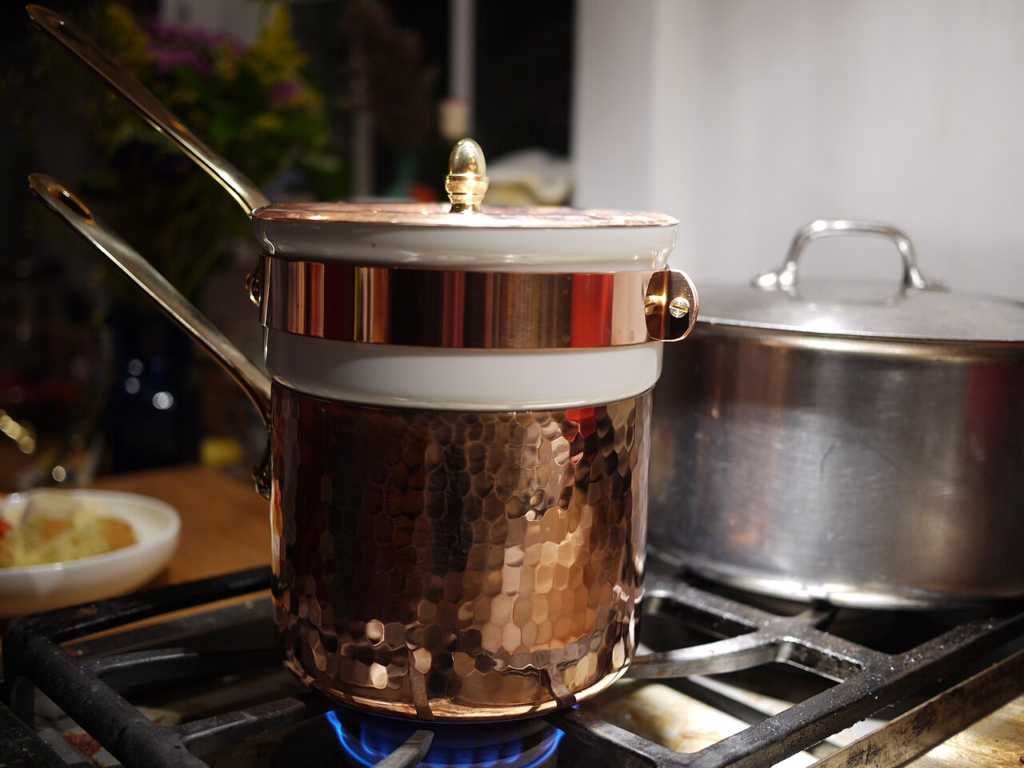
A bain marie pot is a specialized cooking vessel designed to heat food indirectly using hot water. Its structure typically consists of a large container filled with water and a smaller container or bowl placed inside or above it to hold the food. The water is heated to a controlled temperature, which gently transfers heat to the food without direct contact with the heat source. This setup prevents sudden temperature changes that can damage sensitive ingredients.
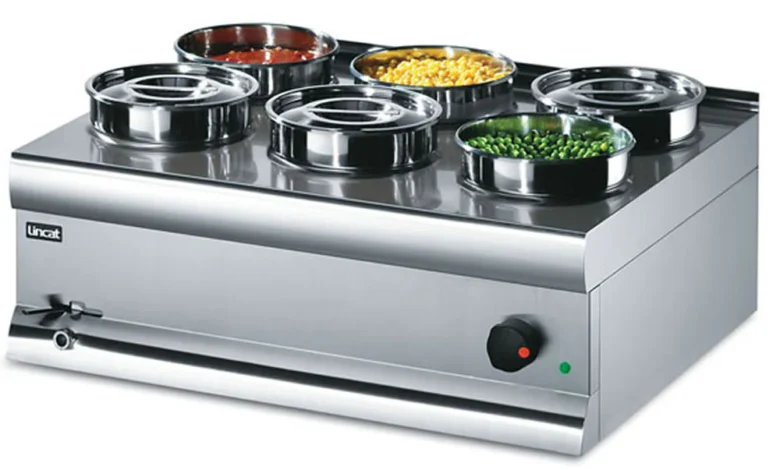
Bain marie pots come in various types, including traditional stovetop models, electric units, and commercial-grade systems. Stovetop bain marie pots are commonly used in households for melting chocolate or preparing delicate sauces. Electric bain marie pots are often found in buffets and restaurants, where they help maintain food at safe serving temperatures. Commercial bain marie systems, on the other hand, are designed for large-scale operations and offer advanced temperature control features.
The materials used in manufacturing bain marie pots play a crucial role in their performance. Stainless steel is the most common material due to its durability, resistance to corrosion, and excellent heat retention. Glass and ceramic containers are also popular for certain applications, especially baking, because they allow visual monitoring of the cooking process. Aluminum options are lightweight and conduct heat efficiently, though they may require careful maintenance.
Overall, the bain marie pot is valued for its functional design and versatility. It provides a reliable method for cooking and heating a wide range of foods while maintaining quality and consistency. Its simple yet effective construction makes it an essential tool for both professional and domestic kitchens.
How a Bain Marie Pot Works
The working principle of a bain marie pot is based on indirect heat transfer. Instead of exposing food directly to a heat source, the pot uses heated water to transfer warmth gradually and evenly. Water has a relatively stable boiling point, which helps regulate temperature and prevents overheating. This ensures that the food is heated gently, reducing the risk of burning or curdling.
The process begins by filling the outer container with water and heating it to the desired temperature. The food container is then placed inside or above the heated water. As the water warms, it transfers heat to the inner container, allowing the food to cook slowly and evenly. This method is particularly useful for preparing temperature-sensitive dishes such as custards, cheesecakes, and sauces that require precise heat control.
One of the key advantages of this heating technique is its ability to maintain consistent temperatures over time. Unlike direct heating methods, which may create hot spots or uneven cooking, the bain marie ensures uniform heat distribution. This helps preserve the texture, flavor, and appearance of the food while preventing unwanted changes caused by excessive heat.
The gentle heating process also enhances food safety and quality, especially when used for keeping food warm in commercial settings. By maintaining stable temperatures, the bain marie pot prevents bacterial growth and ensures that food remains safe for consumption. Its controlled heating mechanism makes it a dependable choice for professional and home kitchens alike.
Uses of a Bain Marie Pot
The bain marie pot is widely used for a variety of cooking applications that require careful temperature management. One of its most common uses is melting chocolate and butter without burning them. Direct heat can easily scorch chocolate, causing it to seize and lose its smooth texture, but the gentle heating of a bain marie preserves its consistency. Similarly, delicate sauces such as hollandaise and custards benefit from the slow and controlled heating process.
In addition to cooking, bain marie pots are frequently used for food warming and storage. Restaurants, buffets, and catering services rely on bain marie systems to keep prepared dishes warm for extended periods while maintaining their freshness and quality. The even heat distribution prevents food from drying out or becoming overcooked, making it ideal for serving large groups of people.
Commercial kitchens use bain marie pots to maintain consistent food quality and improve efficiency. They are commonly found in hotels, food service operations, and large-scale catering businesses where precise temperature control is essential. The versatility of the bain marie allows chefs to perform multiple tasks, from cooking and reheating to holding food at safe temperatures.
For home cooks, the bain marie pot offers an opportunity to experiment with advanced cooking techniques. It enables the preparation of professional-quality dishes that require precision and care. From baking desserts to preparing gourmet sauces, the bain marie pot enhances the overall cooking experience and improves results.
Benefits of Using a Bain Marie Pot
One of the primary benefits of using a bain marie pot is its ability to provide precise temperature control. The indirect heating method prevents sudden temperature fluctuations, ensuring that food is cooked or heated evenly. This helps preserve the natural flavor, texture, and nutritional value of ingredients while reducing the risk of overcooking.
Another significant advantage is the improvement in food quality and consistency. The gentle heating process ensures that delicate dishes maintain their intended structure and taste. This is particularly important for desserts, sauces, and other temperature-sensitive foods that require careful preparation. The consistent results achieved with a bain marie pot make it a valuable tool for both professional chefs and home cooks.
Energy efficiency is another benefit associated with bain marie pots. Because the method relies on controlled heating and heat retention, it often requires less energy than direct heating methods. The water bath maintains a stable temperature for extended periods, reducing the need for constant adjustments and minimizing energy consumption.
The versatility of the bain marie pot further enhances its value in the kitchen. It can be used for cooking, warming, reheating, and even storing food safely. Its wide range of applications and reliable performance make it an essential addition to any kitchen setup.
How to Choose and Use a Bain Marie Pot
Selecting the right bain marie pot involves considering several factors, including size, material, and intended use. Household users typically require smaller units suitable for everyday cooking, while commercial kitchens may need larger systems with higher capacity. Choosing a durable material such as stainless steel ensures long-lasting performance and resistance to corrosion.
Features such as temperature control, safety mechanisms, and ease of cleaning should also be considered when purchasing a bain marie pot. Adjustable temperature settings allow greater control over the cooking process, while removable components simplify maintenance. Budget considerations are equally important, as higher-quality models often provide better durability and performance over time.
Using a bain marie pot correctly is essential for achieving optimal results. The outer container should be filled with the appropriate amount of water, and the temperature should be carefully monitored. Placing the food container securely ensures even heating and prevents accidents. Following proper safety precautions helps maintain efficiency and prolongs the lifespan of the equipment.
Regular cleaning and maintenance are necessary to keep the bain marie pot functioning effectively. Removing residue, preventing rust, and storing the pot properly help maintain its performance and durability. Proper care ensures consistent results and extends the life of the equipment.
Conclusion
The bain marie pot remains an indispensable tool in both home and professional kitchens due to its ability to provide gentle, controlled heating. Its indirect heating method ensures even temperature distribution, preserves food quality, and prevents damage to delicate ingredients. From melting chocolate to maintaining food at safe serving temperatures, the bain marie pot offers exceptional versatility and reliability.
As cooking techniques continue to evolve, the demand for precise and efficient kitchen equipment has increased. The bain marie pot meets this demand by offering consistent results, improved food safety, and enhanced culinary possibilities. Whether used for everyday cooking or professional food service, it remains a valuable investment for anyone seeking better control and quality in their cooking process.
Frequently Asked Questions (FAQs)
What is a bain marie pot used for?
A bain marie pot is used for gentle cooking, melting ingredients, preparing delicate dishes, and keeping food warm without direct heat exposure.
Is a bain marie the same as a double boiler?
They are similar in function, but a bain marie typically refers to a broader water bath heating method, while a double boiler is a specific kitchen tool.
Can I use a regular pot as a bain marie?
Yes, a regular pot and heatproof bowl can be used to create a simple bain marie setup at home.
What foods are best cooked using a bain marie pot?
Custards, sauces, melted chocolate, cheesecakes, and delicate desserts are commonly prepared using a bain marie.
Is a bain marie pot suitable for home use?
Yes, it is suitable for both home and commercial kitchens due to its versatility and ease of use.
How do I clean a bain marie pot properly?
Clean it with warm water and mild detergent, dry thoroughly, and store it in a dry place to prevent damage.
What size bain marie pot should I buy?
The size depends on your cooking needs, with smaller sizes suitable for home use and larger ones for commercial purposes.
You May Also Read: Flags Of Spanish Speaking Countries