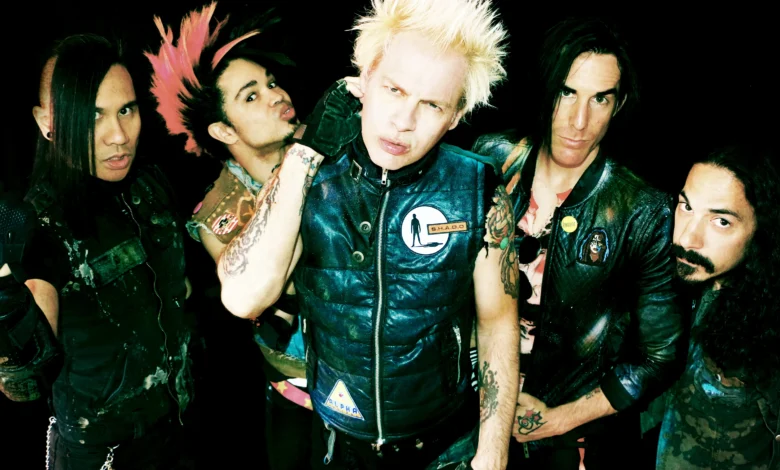
Spider One is a name that holds strong recognition in the world of alternative and industrial metal music. Best known as the frontman, founder, and creative force behind the band Powerman 5000, Spider One has built a career defined by heavy riffs, futuristic visuals, and bold experimentation. Over the years, his distinctive style and relentless energy have earned him a loyal fan base and a lasting presence in rock culture.
What makes Spider One particularly interesting is his ability to blend music with visual storytelling. His work often draws inspiration from science fiction, comic books, and cyberpunk aesthetics, giving his performances a cinematic feel. This fusion of sound and imagery helped Powerman 5000 stand out during the late 1990s and early 2000s, a period when alternative metal was reaching mainstream popularity.
Beyond music, Spider One has expanded his creative reach into film, production, and multimedia projects. His career reflects a constant drive to evolve while staying true to a distinctive artistic identity. This adaptability has allowed him to remain relevant even as musical trends have shifted.
This article explores Spider One’s life, musical journey, creative projects, and cultural impact. From his early influences to his lasting legacy, it offers a comprehensive look at an artist who continues to shape alternative music culture.
Early Life and Background
Spider One was born Michael David Cummings and grew up in a creatively rich environment that would later influence his artistic direction. He was raised in a family with strong connections to music and entertainment, which exposed him to creative expression from an early age. This environment played a crucial role in shaping his confidence and interest in performance.
During his formative years, Spider One developed a fascination with comic books, science fiction films, and futuristic themes. These interests would later become defining elements of his musical and visual style. Rather than following conventional paths, he gravitated toward alternative forms of storytelling, using music as a vehicle for imaginative expression.
His early exposure to diverse musical styles helped him develop a broad creative palette. From classic rock to emerging industrial sounds, Spider One absorbed influences that would later merge into a unique sonic identity. This foundation allowed him to experiment freely without being confined to a single genre.
These early experiences laid the groundwork for his future career. They not only shaped his musical ambitions but also instilled a desire to create something visually and thematically distinct. Spider One’s background is key to understanding the bold, genre-blending approach that defines his work today.
Musical Career and Rise to Fame
Formation of Powerman 5000
Spider One founded Powerman 5000 in the early 1990s with a clear vision: to create music that was loud, aggressive, and visually striking. From the beginning, he positioned himself as both the musical and conceptual leader of the band. This allowed Powerman 5000 to develop a cohesive identity that blended sound, imagery, and attitude.
In its early years, the band faced the typical struggles of emerging artists, including limited exposure and industry challenges. However, Spider One’s determination and distinctive vision helped the group gain attention within underground music scenes. Their high-energy performances and futuristic themes quickly set them apart.
As the band evolved, Spider One refined Powerman 5000’s sound, incorporating industrial elements, electronic textures, and heavy guitar riffs. This experimentation helped the band carve out a niche within the alternative metal genre, appealing to fans looking for something different.
The formation period was crucial in establishing the foundation for future success. It demonstrated Spider One’s ability to lead creatively while adapting to the demands of a competitive music industry.
Breakthrough and Mainstream Success
Powerman 5000 achieved mainstream recognition in the late 1990s, a time when alternative and industrial metal were gaining widespread popularity. Spider One’s charismatic stage presence and bold visual concepts played a major role in the band’s breakthrough. Their music resonated with audiences drawn to its intensity and futuristic appeal.
Hit songs and successful albums helped the band secure radio play, music video rotation, and major tour opportunities. Spider One embraced the spotlight, using it to reinforce the band’s unique identity rather than conforming to trends. This confidence helped Powerman 5000 stand out in a crowded musical landscape.
Touring became a major part of their success, with live performances further solidifying their reputation. Spider One’s dynamic delivery and theatrical style made concerts memorable experiences, strengthening the band’s connection with fans.
This period marked the peak of Powerman 5000’s commercial success. It also established Spider One as a recognizable figure within rock and metal culture, setting the stage for long-term influence.
Musical Style and Influences
Spider One’s musical style is characterized by its fusion of industrial metal, alternative rock, and electronic elements. Rather than adhering strictly to one genre, he consistently experiments with sound and structure. This flexibility has allowed his music to evolve while retaining a recognizable core.
Visual aesthetics play a central role in his work. Inspired by science fiction, comic books, and cyberpunk imagery, Spider One creates a world around his music that extends beyond sound alone. Album art, stage design, and costumes all contribute to a cohesive artistic vision.
Lyrically, his music often explores themes of technology, rebellion, and futuristic narratives. These themes resonate with fans who appreciate both the music and the storytelling behind it. Spider One’s influences are evident, but his interpretation remains uniquely his own.
This combination of sound and imagery has become a defining characteristic of his career. It reinforces his reputation as an artist who prioritizes creativity and originality.
Projects Beyond Music
In addition to his music career, Spider One has explored filmmaking and directing. He has worked on various film projects, bringing his visual imagination into a new medium. This transition felt natural, as his music had always been deeply cinematic in nature.
His work behind the camera reflects the same creative themes found in his music. Dark atmospheres, stylized visuals, and genre influences are common elements. These projects demonstrate his versatility and willingness to expand beyond traditional music roles.
Spider One has also collaborated with other artists and contributed to soundtracks and multimedia productions. These collaborations highlight his adaptability and ability to work across creative disciplines. Rather than limiting himself to one platform, he continuously seeks new ways to express ideas.
These ventures have strengthened his reputation as a multi-talented creative figure. They also ensure that his influence extends beyond music alone.
Personal Life and Public Image

Spider One maintains a strong public persona while keeping many aspects of his personal life private. He is known for his confident, rebellious image, which aligns closely with his musical style. This consistency has helped him build a recognizable and authentic brand.
Media appearances and interviews often focus on his creative process rather than personal details. This approach allows him to control the narrative and keep attention on his work. Fans tend to respect this boundary, appreciating the focus on artistry.
While some personal details are publicly known, Spider One largely avoids unnecessary exposure. This balance between visibility and privacy has helped him maintain longevity in an industry where overexposure can be damaging.
His public image reflects his artistic philosophy: bold, imaginative, and independent. It reinforces the idea that his identity is rooted in creativity rather than celebrity status.
Cultural Impact and Legacy
Spider One’s influence on alternative and industrial metal is undeniable. Through Powerman 5000, he helped shape a sound and visual style that inspired countless artists. His willingness to experiment encouraged others to push creative boundaries.
Fans continue to celebrate his work, demonstrating its lasting appeal. The band’s music remains popular among listeners who grew up with it, as well as newer audiences discovering it for the first time. This cross-generational appeal speaks to its enduring relevance.
Beyond music, Spider One’s emphasis on visual storytelling has influenced how bands approach branding and presentation. His legacy is not just about sound, but about creating immersive artistic experiences.
Today, Spider One is viewed as a respected figure who contributed meaningfully to modern rock culture. His impact continues to be felt through music, film, and visual art.
Conclusion
Spider One’s career is a testament to creativity, persistence, and innovation. From his early influences to his success with Powerman 5000 and beyond, he has consistently pushed artistic boundaries. His ability to merge music with visual storytelling has left a lasting mark on alternative culture.
As trends change, Spider One remains relevant by staying true to his vision while embracing new creative opportunities. His journey offers insight into how originality and adaptability can sustain a long and influential career.
Frequently Asked Questions (FAQs)
Who is Spider One and why is he famous?
Spider One is a musician and filmmaker best known as the frontman of Powerman 5000.
What band is Spider One best known for?
He is best known for leading Powerman 5000.
Is Spider One related to any other celebrities?
Yes, he has family connections within the entertainment industry.
What genre of music does Spider One perform?
His music blends industrial metal, alternative rock, and electronic elements.
Is Spider One still active in music today?
Yes, he continues to release music and work on creative projects.
What are Spider One’s most popular songs or albums?
Several Powerman 5000 releases are considered fan favourites and remain influential.
You May Also Read: Maisie Adam Mike Dobinson