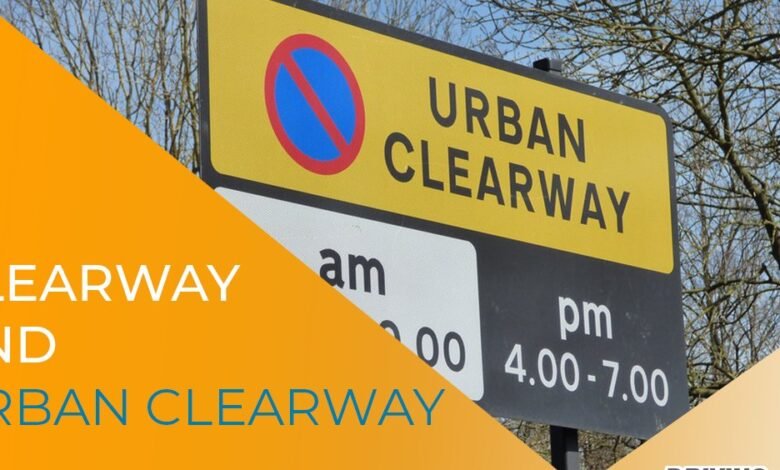
Navigating city streets can often feel like a maze, especially with ever-changing traffic rules and regulations. One of the critical elements that city drivers need to understand is the concept of an urban clearway. Urban clearways are designated zones where stopping or parking is restricted during certain times to ensure smooth traffic flow and reduce congestion. Understanding these zones is not just about avoiding fines; it’s about contributing to safer and more efficient city driving.
Urban clearway play a crucial role in urban traffic management, particularly during peak hours. They allow emergency services, public transport, and general traffic to move without unnecessary interruptions. Ignoring these rules can lead to costly penalties and increased traffic hazards. This article is designed to provide a comprehensive guide for drivers, covering everything from basic definitions to fines, rules, benefits, and tips for staying compliant. By the end of this guide, you will have a thorough understanding of urban clearways, making your city driving experience smoother, safer, and legally sound.
In addition to helping drivers stay informed, knowledge of urban clearways also supports city planning and public safety efforts. By understanding the rules, you contribute to reduced congestion, improved pedestrian safety, and better public transport efficiency. Whether you are a new driver or a seasoned commuter, mastering the concept of urban clearways is essential for responsible driving in urban environments.
What is an Urban Clearway?
An urban clearway is a section of road where stopping, parking, or waiting is prohibited during specified hours to maintain the free flow of traffic. These zones are typically marked with clear signage and road markings, signaling the restrictions and times of operation. The primary aim of urban clearways is to prevent congestion and ensure that busy roads remain accessible during peak hours, especially for essential vehicles such as buses, ambulances, and police cars.
Unlike ordinary parking restrictions, urban clearways are strictly enforced and often carry higher penalties for violations. The concept differs from “no stopping” zones or loading areas, as clearways are specifically designed to optimize traffic movement rather than limit parking in general. Drivers must be aware of the times when clearway rules are in effect, as stopping during these periods can result in significant fines or towing of vehicles.
Urban clearways are particularly common in city centers, near commercial districts, and along major arterial roads. In these areas, even a minor obstruction can cause ripple effects, delaying public transport and increasing the risk of accidents. By understanding where urban clearways are located and adhering to the rules, drivers can ensure that they contribute to a smoother, safer, and more predictable driving environment for everyone.
Rules and Regulations of Urban Clearways
The rules surrounding urban clearways are straightforward but strict. During the hours of operation, vehicles are prohibited from stopping, waiting, or parking along the clearway. These hours are usually indicated on signs, which often include peak traffic periods, such as morning and evening rush hours. Violating these rules can result in immediate fines, penalty points, or in severe cases, vehicle removal.
There are a few exceptions to these rules. Emergency vehicles responding to urgent calls, breakdown assistance, and vehicles carrying out essential municipal services are generally exempt. Additionally, some clearways allow limited stops for passenger drop-off or pick-up, but these are clearly specified on accompanying signage. Understanding these exceptions is vital to avoid unintentional violations.
Urban clearways are not merely about compliance; they are about safety and traffic efficiency. The regulations are enforced to prevent bottlenecks, particularly in areas where large volumes of vehicles converge. Ignoring clearway rules can disrupt traffic flow, create hazardous conditions for pedestrians, and hinder emergency services. Therefore, drivers are encouraged to plan their routes with urban clearway restrictions in mind and always observe signage closely to avoid unnecessary penalties.
Understanding Urban Clearway Signs and Markings
Urban clearways are identified through a combination of road signs and markings. Typically, these signs feature a bold symbol indicating no stopping, along with the hours during which the restriction applies. Road markings, such as yellow lines along the kerb, often complement the signs, making it easier for drivers to identify the restricted zone. Familiarity with these symbols is crucial, especially in dense urban areas where quick decision-making is required.
The signs are usually placed at both ends of a clearway and sometimes at intervals along the route. They may include additional information such as exemptions, specific vehicle types, or alternative routes. Understanding these details ensures that drivers do not inadvertently stop in restricted areas. Moreover, modern urban clearways may also be monitored by traffic cameras, which automatically detect violations, making it even more important to pay attention to signage.
For new drivers or visitors to a city, interpreting clearway signs can be confusing. Therefore, taking the time to study local signage conventions is highly recommended. Many local councils provide maps and guides highlighting clearway zones. By familiarizing yourself with these visual cues, you can navigate urban clearways safely, avoid fines, and contribute to smoother traffic conditions.
Fines, Enforcement, and How to Avoid Penalties
Enforcement of urban clearways is strict, and fines for violations can be substantial. Local authorities may employ traffic wardens, mobile patrols, or automated camera systems to monitor compliance. Fines vary by city and severity of the violation, but in general, they are designed to deter stopping or parking in restricted areas during operational hours.
To avoid penalties, drivers should always check signage before stopping and be aware of the clearway’s hours of operation. Planning trips to avoid peak times, using designated parking areas, or relying on public transport can also help drivers comply with regulations. In the event of a penalty, most councils allow for an appeal if there are legitimate reasons, such as vehicle breakdowns or emergencies.
It is also important to note that repeated violations can result in higher fines or vehicle removal. Therefore, staying informed about local clearway rules is not just about avoiding a single fine—it’s about maintaining a record of responsible driving. Modern navigation apps often highlight clearway zones, making it easier for drivers to plan routes that comply with regulations. By taking these proactive steps, drivers can ensure they navigate urban clearways safely, legally, and without incurring unnecessary expenses.
Benefits of Urban Clearways in Cities
Urban clearways play a significant role in improving traffic flow in densely populated areas. By restricting stopping and parking during peak hours, they reduce bottlenecks and allow emergency vehicles, buses, and essential services to move more freely. This contributes to more predictable travel times and a smoother commuting experience for everyone on the road.
Safety is another major benefit. Urban clearways reduce the chances of accidents caused by vehicles stopping unexpectedly in high-traffic zones. They also create safer pedestrian environments, as drivers are less likely to block crosswalks or sidewalks. In cities with heavy public transport reliance, clearways ensure that buses and trams maintain schedules, which encourages residents to opt for public transport over personal vehicles.
Additionally, urban clearways contribute to environmental benefits by minimizing idle times and traffic congestion, which reduces fuel consumption and emissions. Cities that implement clearways effectively often report smoother traffic patterns and higher overall efficiency in road networks. By understanding and respecting these zones, drivers not only avoid fines but actively contribute to a more sustainable and safer urban environment.
Conclusion
Urban clearways are essential for maintaining smooth, safe, and efficient traffic in city environments. They are more than just signs and markings; they represent a system designed to reduce congestion, improve public transport, and enhance safety for drivers, pedestrians, and emergency services alike. By understanding the rules, recognizing signs, and planning accordingly, drivers can navigate urban clearways responsibly while avoiding fines.
Compliance with clearway regulations also benefits the broader community, contributing to reduced travel times, fewer accidents, and a healthier urban environment. Staying informed, observing signage carefully, and understanding exemptions can make city driving less stressful and more predictable. Urban clearways are a small but crucial element of urban traffic management, and mastering their rules ensures a smoother, safer driving experience.
FAQs About Urban Clearways
What exactly is an urban clearway?
An urban clearway is a road section where stopping or parking is prohibited during specified hours to maintain traffic flow.
Can I stop on an urban clearway to drop off passengers?
Only if local signage allows it. Some clearways permit brief stops for passenger pick-up or drop-off.
What times do urban clearway restrictions usually apply?
Restrictions typically apply during peak traffic hours, often morning and evening, but times vary by location.
Are there exceptions for emergency vehicles?
Yes, emergency services and authorized municipal vehicles are generally exempt.
How are urban clearway fines enforced?
Through traffic wardens, mobile patrols, and automated cameras that monitor violations.
Can I appeal a fine if I was parked on an urban clearway?
Yes, if you have legitimate reasons, such as a breakdown or emergency, you can appeal to local authorities.
Do urban clearways apply to both sides of the road?
It depends on the road; signs indicate which side or lanes are affected.
How do urban clearways help reduce traffic congestion?
By preventing vehicles from stopping in critical areas, they allow continuous flow, reducing bottlenecks.
Are clearways the same in every city?
No, regulations, signage, and enforcement methods can vary by city and country.
How can I identify urban clearways while driving?
Look for signs with no-stopping symbols and road markings such as yellow lines, which indicate clearway zones.
You May Also Read: Oscar Cainer